
What's a Few Degrees?
About this episode
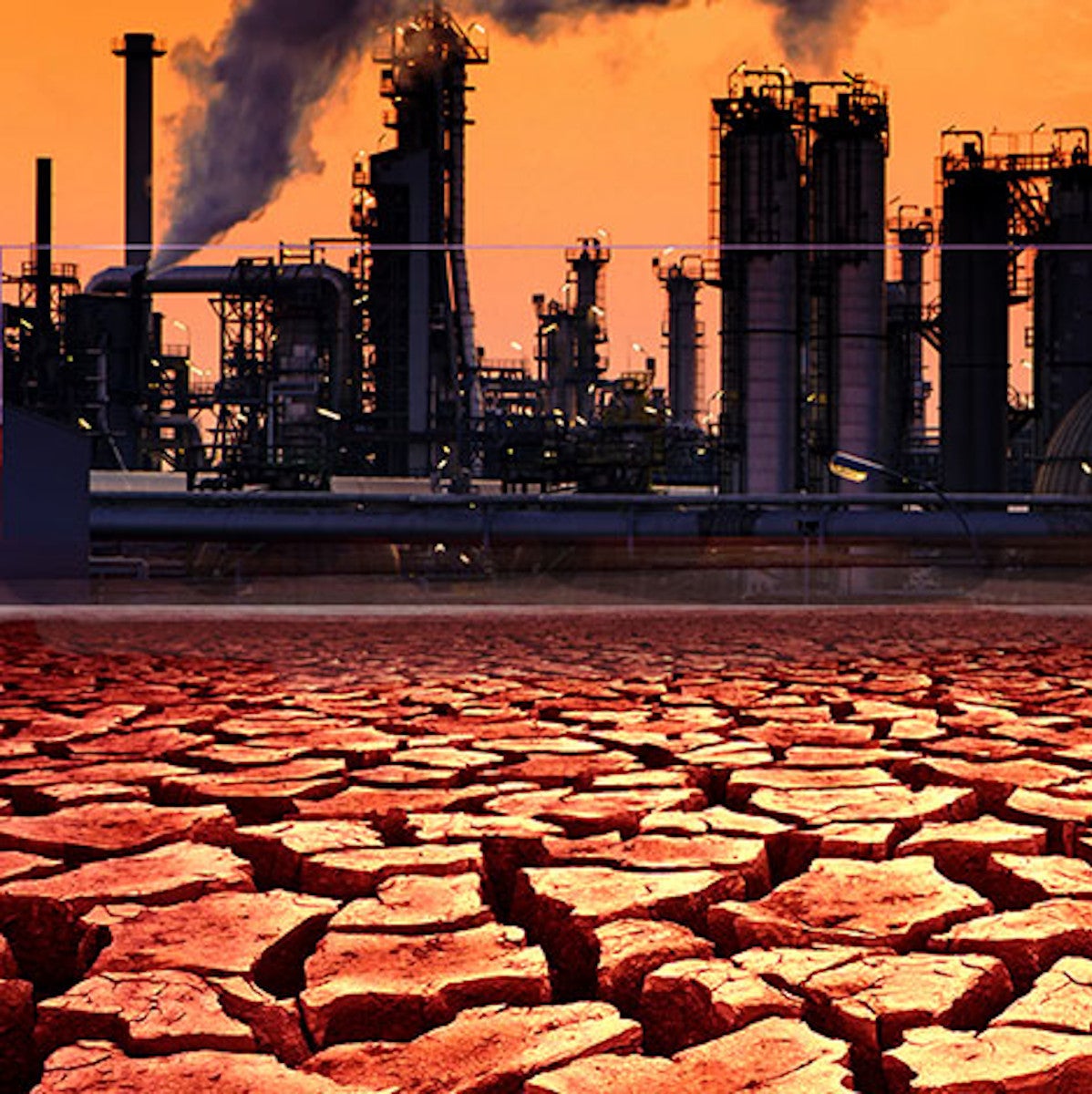
Brace yourself for heatwave “Lucifer.” Dangerous deadly heatwaves may soon be so common that we give them names, just like hurricanes. This is one of the dramatic consequences of just a few degrees rise in average temperatures.
Also coming: Massive heat “blobs” that form in the oceans and damage marine life, and powerful windstorms called “derechos” pummeling the Midwest.
Plus, are fungal pathogens adapting to hotter temperatures and breaching the 98.6 F thermal barrier that keeps them from infecting us?
Guests:
Kathy Baughman McLeod – director and senior vice president of the Adrienne Arsht-Rockefeller Foundation Resilience Center at The Atlantic Council
Pippa Moore – Marine ecologist at Newcastle University in the U.K.
Ted Derouin – Michigan farmer
Jeff Dukes – Ecologist and director of Purdue Climate Change Research Center at Purdue University.
Arturo Casadevall – Molecular microbiologist and immunologist at the Johns Hopkins School of Medicine
Originally aired October 19, 2020
Big Picture Science is part of the Airwave Media podcast network. Please contact [email protected] to inquire about advertising on Big Picture Science.
You can get early access to ad-free versions of every episode by joining us on Patreon. Thanks for your support!
Learn more about your ad choices. Visit megaphone.fm/adchoices
More from Big Picture Science
Over a hundred years ago two famous men met for a séance. One, the creator of an exceedingly rational pipe-smoking fictional detective, and the other, a showman who amazed audiences with feats of esca…
As their name suggests, “forever chemicals” have extraordinary staying power. When these nearly indestructible compounds find their way into our soil and water, they don’t break down for hundreds or t…
We can now follow where Monarch butterflies go when they leave our gardens with tiny sensors that track their impressive 3,000-mile migrations from Canada to Mexico. The significant challenges that th…
Carbon dioxide is more than an industrial pollutant driving climate change. The gas also played a pivotal part in the dramatic story of the beginning of all life. Starting in the ocean depths, dissolv…
How did scientists learn to peer inside the atom? In this preview from the BBC's In Our Time, physicist Harry Cliff tells the story of the birth of the particle accelerator, from Ernest Rutherford's c…