
Some Chemicals are Forever
About this episode
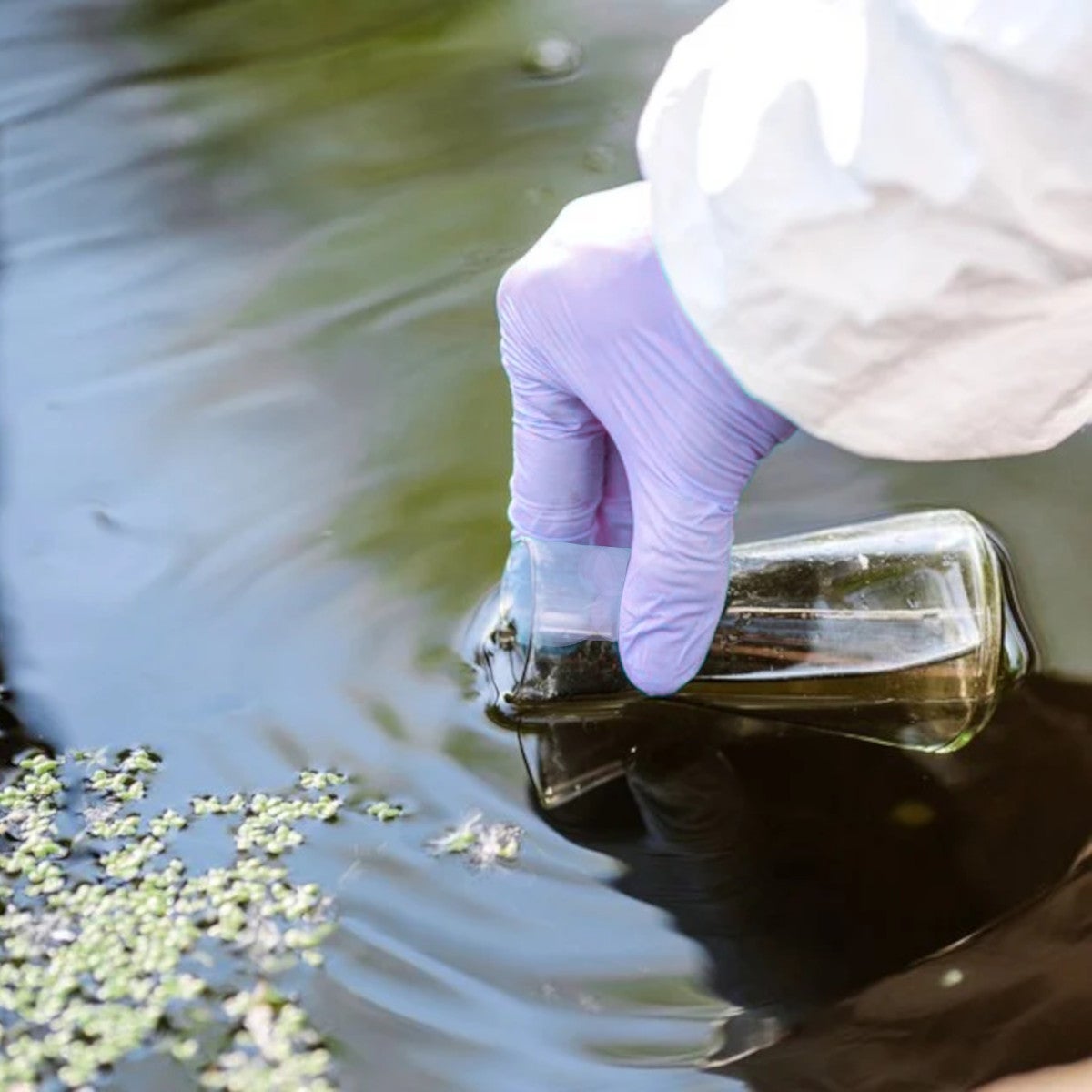
As their name suggests, “forever chemicals” have extraordinary staying power. When these nearly indestructible compounds find their way into our soil and water, they don’t break down for hundreds or thousands of years. PFAS – the name for these synthetic chemicals – isn’t just in our natural environment. Scientists have found it everywhere, including in the blood of nearly every living being.
In this episode, we talk to the reporter who broke open the story about a decades-long corporate coverup regarding forever chemicals, look at what we know about their health effects, and consider how a kneecapping of the EPA’s regulatory power may weaken the best tool we have for protecting ourselves from PFAS contamination.
Guests:
Nathaniel Rich – Author of “Second Nature: Scenes from a World Remade,” and the New York Times Magazine article, “The Lawyer Who Became Dupont’s Worst Nightmare”
Rachel Frazin – Energy and Environment Policy reporter for The Hill, co-author of “Poisoning the Well: How Forever Chemicals Contaminated America”
Janet McCabe – visiting professor at the Robert McKinney School of Law at Indiana University, former deputy administrator of the United States Environmental Protection Agency
Featuring music by Dewey Dellay and Jun Miyake
You can get early access to ad-free versions of every episode by joining us on Patreon. Thanks for your support!
Big Picture Science is part of the Airwave Media podcast network. Please contact [email protected] to inquire about advertising on Big Picture Science.
Learn more about your ad choices. Visit megaphone.fm/adchoices
More from Big Picture Science
Over a hundred years ago two famous men met for a séance. One, the creator of an exceedingly rational pipe-smoking fictional detective, and the other, a showman who amazed audiences with feats of esca…
As their name suggests, “forever chemicals” have extraordinary staying power. When these nearly indestructible compounds find their way into our soil and water, they don’t break down for hundreds or t…
We can now follow where Monarch butterflies go when they leave our gardens with tiny sensors that track their impressive 3,000-mile migrations from Canada to Mexico. The significant challenges that th…
Carbon dioxide is more than an industrial pollutant driving climate change. The gas also played a pivotal part in the dramatic story of the beginning of all life. Starting in the ocean depths, dissolv…
How did scientists learn to peer inside the atom? In this preview from the BBC's In Our Time, physicist Harry Cliff tells the story of the birth of the particle accelerator, from Ernest Rutherford's c…