
The Other Living World
About this episode
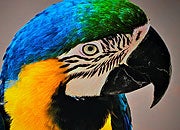
Reason for hope is just one thing that ecologist Carl Safina can offer. He understands why many of us turn to nature to find solace during this stressful time. Safina studies the challenges facing the ultimate survival of many species, but also gives a portrait of animals from their point of view. He describes how diverse animals such as sperm whales, bear cubs, macaws, and chickens deal with uncertainty, and assert their quirky individuality while learning to become part of a community. So is it possible for us to reconnect not just with humanity, but also with the other living world?
Guest:
Carl Safina – An ecologist and McArthur Fellow who writes extensively about the human relationship with the natural world. He is the founding president of the Safina Center, a professor at Stony Brook University, and author of many books – most recently, “Becoming Wild: How Animal Cultures Raise Families, Create Beauty, and Achieve Peace”
Learn more about your ad choices. Visit megaphone.fm/adchoices
More from Big Picture Science
Over a hundred years ago two famous men met for a séance. One, the creator of an exceedingly rational pipe-smoking fictional detective, and the other, a showman who amazed audiences with feats of esca…
As their name suggests, “forever chemicals” have extraordinary staying power. When these nearly indestructible compounds find their way into our soil and water, they don’t break down for hundreds or t…
We can now follow where Monarch butterflies go when they leave our gardens with tiny sensors that track their impressive 3,000-mile migrations from Canada to Mexico. The significant challenges that th…
Carbon dioxide is more than an industrial pollutant driving climate change. The gas also played a pivotal part in the dramatic story of the beginning of all life. Starting in the ocean depths, dissolv…
How did scientists learn to peer inside the atom? In this preview from the BBC's In Our Time, physicist Harry Cliff tells the story of the birth of the particle accelerator, from Ernest Rutherford's c…