
Solar Good
About this episode
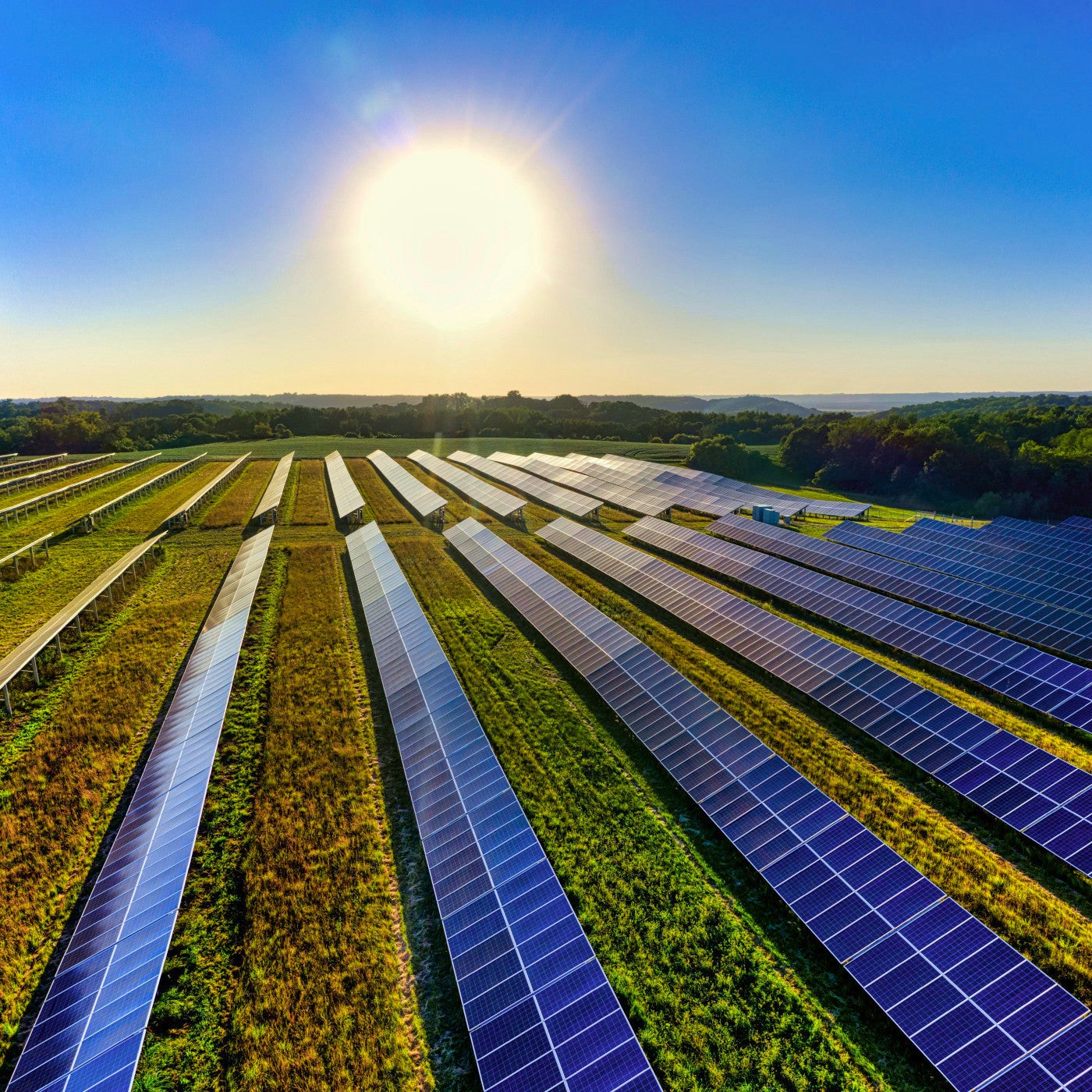
In Brazil, leaders from across the globe are gathering for COP30, the premier climate summit in the world. For the first time, the U.S. is sitting it out, after exiting the Paris Agreement. There is, however, a ray of hope in the global efforts to reduce fossil fuel emissions. Bill McKibben, an environmentalist and journalist who describes himself as a “professional bummer-out-of-people,” has good news about the solar energy industry, after years of his repeated, and alarming, reports about our failure to address climate change. For the first time ever, solar energy production is outpacing the fossil fuel industry. Momentum is gathering in surprising places. The state with the fastest growing clean energy sector is the oil and gas country, Texas. And, when energy analysts investigated Pakistan’s sudden drop in energy demand, they saw “solar panels spreading across rooftops like mushrooms after a rainstorm.”
Guests:
Bill McKibben – environmentalist, journalist and author of “Here Comes the Sun: A Last Chance for the Climate and a Fresh Chance for Civilization”
Jon Gertner – journalist, editor, and author of “The Idea Factory: Bell Labs and the Great Age of American Innovation”
Featuring music by Dewey Dellay and Jun Miyake
You can get early access to ad-free versions of every episode by joining us on Patreon. Thanks for your support!
Big Picture Science is part of the Airwave Media podcast network. Please contact [email protected] to inquire about advertising on Big Picture Science.
Learn more about your ad choices. Visit megaphone.fm/adchoices
More from Big Picture Science
Over a hundred years ago two famous men met for a séance. One, the creator of an exceedingly rational pipe-smoking fictional detective, and the other, a showman who amazed audiences with feats of esca…
As their name suggests, “forever chemicals” have extraordinary staying power. When these nearly indestructible compounds find their way into our soil and water, they don’t break down for hundreds or t…
We can now follow where Monarch butterflies go when they leave our gardens with tiny sensors that track their impressive 3,000-mile migrations from Canada to Mexico. The significant challenges that th…
Carbon dioxide is more than an industrial pollutant driving climate change. The gas also played a pivotal part in the dramatic story of the beginning of all life. Starting in the ocean depths, dissolv…
How did scientists learn to peer inside the atom? In this preview from the BBC's In Our Time, physicist Harry Cliff tells the story of the birth of the particle accelerator, from Ernest Rutherford's c…