
Skeptic Check: Project Hail Mary
About this episode
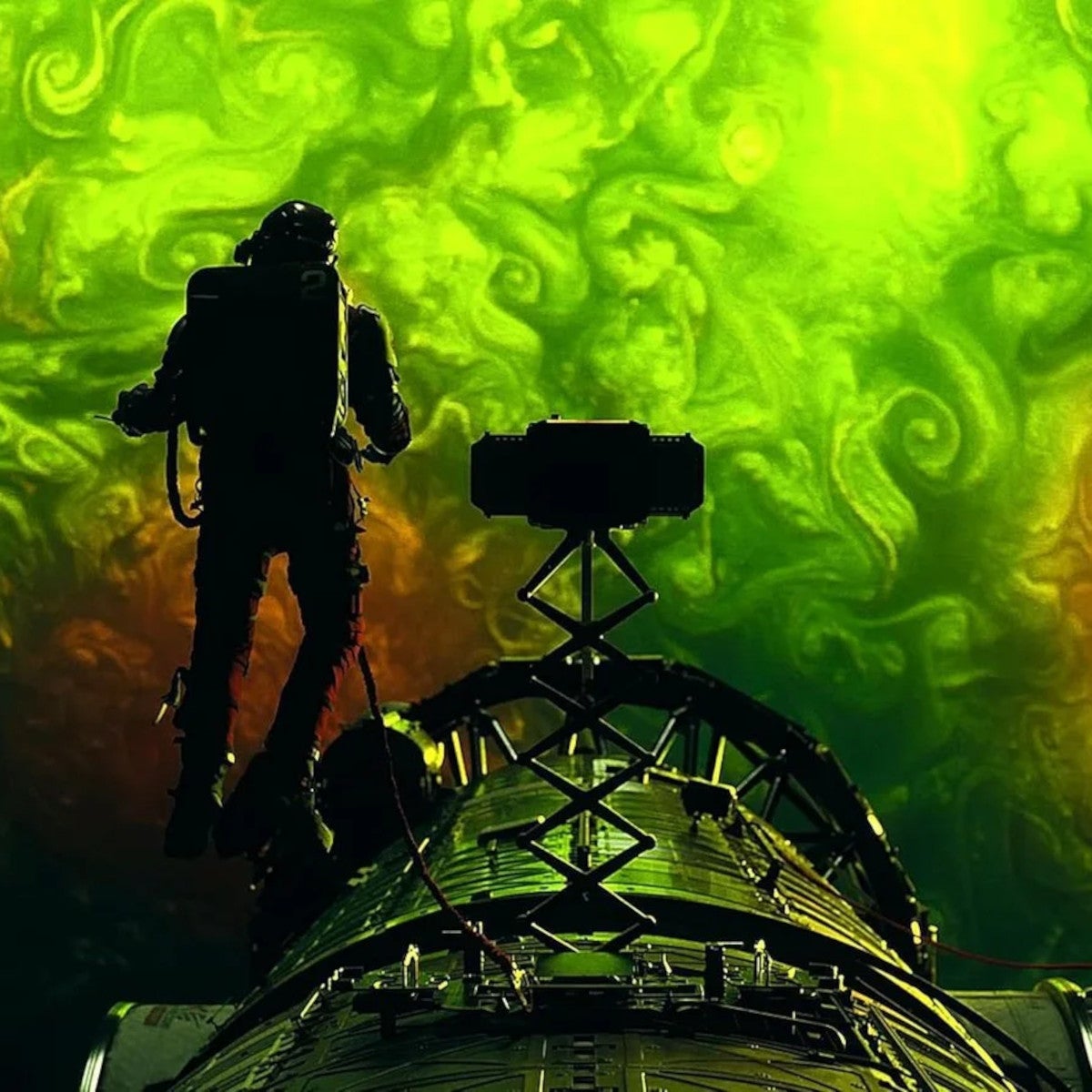
As protagonist Ryland Grace fights to save Earth - and possibly the universe - in Project Hail Mary, author Andy Weir discusses the science behind his sci-fi story and what it’s like to see it adapted for the big screen. From a diversity of aliens thriving in extreme environments, to our sun’s shortening lifespan, to the conundrum of keeping astronauts alive during intergalactic missions, we consider the possibility of science fiction becoming future reality. A NASA astrobiologist who consulted on the book weighs in on how Earthly creatures have inspired some of our favorite science fiction aliens. Plus, science fiction author Becky Chambers discusses how she balances science fact with fiction in her work.
Guests:
Andy Weir – science fiction writer, author of Project Hail Mary, The Martian, and Artemis
Andy Fraknoi – professor of astronomy at the Fromm Institute at the University of San Francisco
Becky Chambers – science fiction writer, author of To Be Taught if Fortunate, the Wayfinders series, and the Monk and Robot novellas
Shawn Domagal-Goldman – NASA acting director, astrophysics division
Big Picture Science is part of the Airwave Media podcast network. Please contact [email protected] to inquire about advertising on Big Picture Science.
You can get early access to ad-free versions of every episode by joining us on Patreon. Thanks for your support!
Learn more about your ad choices. Visit megaphone.fm/adchoices
More from Big Picture Science
Over a hundred years ago two famous men met for a séance. One, the creator of an exceedingly rational pipe-smoking fictional detective, and the other, a showman who amazed audiences with feats of esca…
As their name suggests, “forever chemicals” have extraordinary staying power. When these nearly indestructible compounds find their way into our soil and water, they don’t break down for hundreds or t…
We can now follow where Monarch butterflies go when they leave our gardens with tiny sensors that track their impressive 3,000-mile migrations from Canada to Mexico. The significant challenges that th…
Carbon dioxide is more than an industrial pollutant driving climate change. The gas also played a pivotal part in the dramatic story of the beginning of all life. Starting in the ocean depths, dissolv…
How did scientists learn to peer inside the atom? In this preview from the BBC's In Our Time, physicist Harry Cliff tells the story of the birth of the particle accelerator, from Ernest Rutherford's c…