
Skeptic Check: Hostile Climate
About this episode
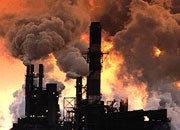
It’s a record we didn’t want to break. The carbon dioxide concentration in the atmosphere hits the 400 parts-per-million mark, a level which some scientists say is a point of no return for stopping climate change. A few days later, a leading newspaper prints an op-ed essay that claims CO2 is getting a bad rap: it’s actually good for the planet. The more the better.
Skeptic Phil Plait rebuts the CO2-is-awesome idea while a paleontologist paints a picture of what Earth was like when the notorious gas last ruled the planet. Note: humans weren’t around.
Plus, our skit says NO to O2 … and a claim that climate change skeptics have borrowed from the Creationists’ playbook in challenging the teaching of established science in schools.
Guests:
Phil Plait – Astronomer, skeptic, and author of Slate Magazine’s blog Bad Astronomy
Peter Ward – Paleontologist and biologist, Department of Earth and Space Sciences, University of Washington in Seattle
Josh Rosenau – Programs and Policy Director at the National Center for Science Education
Eugenie Scott – Executive Director of the National Center for Science Education
Descripción en español
Learn more about your ad choices. Visit megaphone.fm/adchoices
More from Big Picture Science
Over a hundred years ago two famous men met for a séance. One, the creator of an exceedingly rational pipe-smoking fictional detective, and the other, a showman who amazed audiences with feats of esca…
As their name suggests, “forever chemicals” have extraordinary staying power. When these nearly indestructible compounds find their way into our soil and water, they don’t break down for hundreds or t…
We can now follow where Monarch butterflies go when they leave our gardens with tiny sensors that track their impressive 3,000-mile migrations from Canada to Mexico. The significant challenges that th…
Carbon dioxide is more than an industrial pollutant driving climate change. The gas also played a pivotal part in the dramatic story of the beginning of all life. Starting in the ocean depths, dissolv…
How did scientists learn to peer inside the atom? In this preview from the BBC's In Our Time, physicist Harry Cliff tells the story of the birth of the particle accelerator, from Ernest Rutherford's c…