
Perpetual Emotion Machine
About this episode
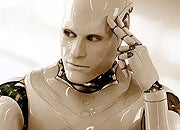
ENCORE Get ready for compassionate computers that feel your pain, share your joy, and generally get where you’re coming from. Computers that can tell by your voice whether you’re pumped up or feeling down, or sense changes in heart rate, skin, or muscle tension to determine your mood. Empathetic electronics that you can relate to.
But wait a minute – we don’t always relate to other humans. Our behavior can be impulsive and even self-sabotaging – our emotions are often conflicted and irrational. We cry when we’re happy. Frown when we’re pensive. A suite of factors, much of them out of our control, govern how we behave, from genes to hormones to childhood experience.
One study says that all it takes for a defendant to receive a harsher sentence is a reduction in the presiding judge’s blood sugar.
So grab a cookie, and find out how the heck we can build computers that understand us anyway.
Guests:
Rosalind Picard – Professor at the MIT Media Lab and co-founder of the companies Affectiva and Empatica.
Robert Sapolsky – Professor of neuroscience at Stanford University, and author of Behave: The Biology of Humans at Our Best and Worst.
Learn more about your ad choices. Visit megaphone.fm/adchoices
More from Big Picture Science
Over a hundred years ago two famous men met for a séance. One, the creator of an exceedingly rational pipe-smoking fictional detective, and the other, a showman who amazed audiences with feats of esca…
As their name suggests, “forever chemicals” have extraordinary staying power. When these nearly indestructible compounds find their way into our soil and water, they don’t break down for hundreds or t…
We can now follow where Monarch butterflies go when they leave our gardens with tiny sensors that track their impressive 3,000-mile migrations from Canada to Mexico. The significant challenges that th…
Carbon dioxide is more than an industrial pollutant driving climate change. The gas also played a pivotal part in the dramatic story of the beginning of all life. Starting in the ocean depths, dissolv…
How did scientists learn to peer inside the atom? In this preview from the BBC's In Our Time, physicist Harry Cliff tells the story of the birth of the particle accelerator, from Ernest Rutherford's c…