
Lady Parts**
About this episode
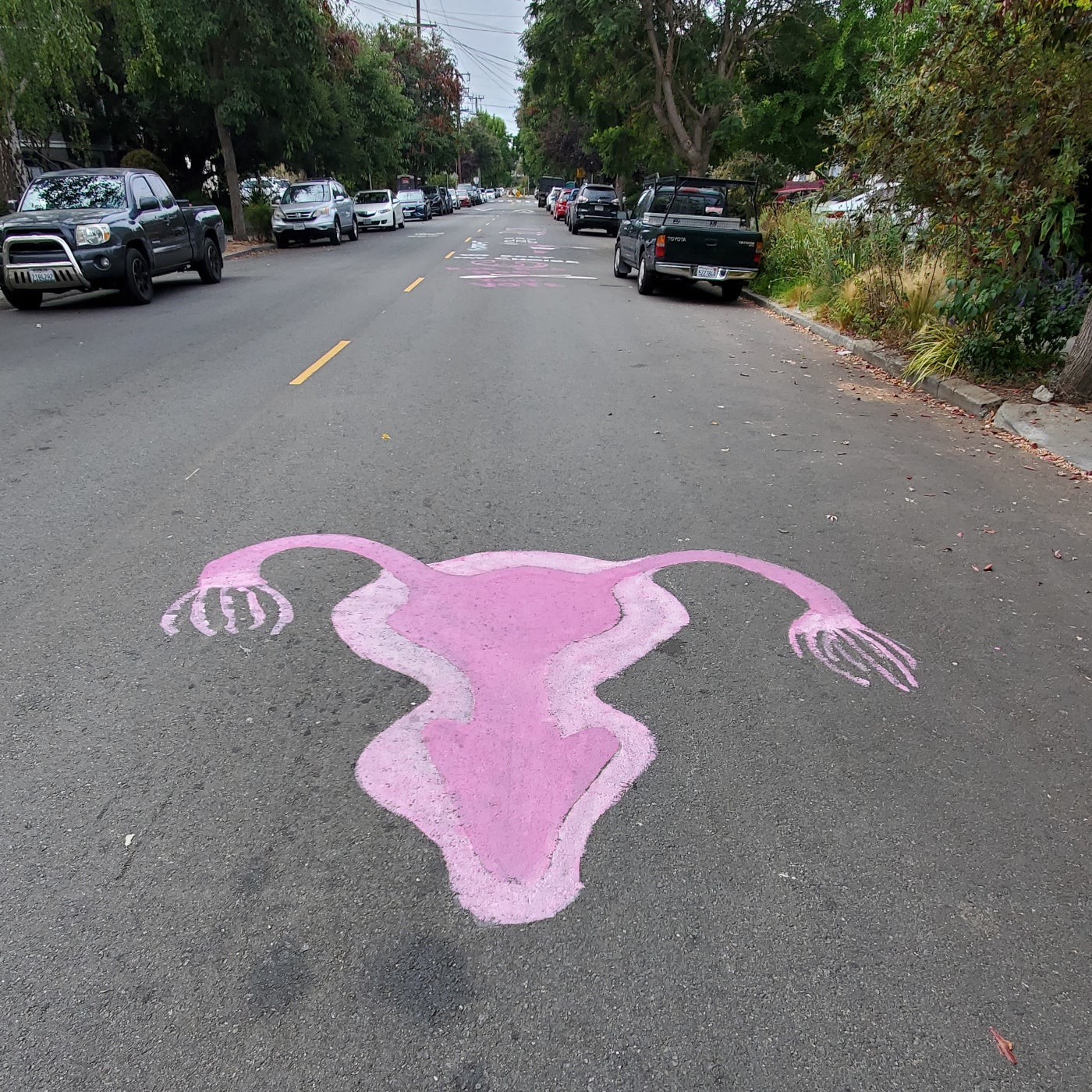
The Supreme Court’s ruling on Roe has ignited fierce debate about bodily autonomy. But it’s remarkable how little we know about female physiology. Find out what studies have been overlooked by science, and what has been recently learned. Plus, why studying women’s bodies means being able to say words like “vagina” without shame ... a researcher who is recreating a uterus in her lab to study endometriosis … and an overdue recognition of medical pioneer Dr. Rebecca Lee Crumpler.
Guests:
Melody T. McCloud - Obstetrician Gynecologist and Founder and Medical Director of Atlanta Women's Health Care; co-author of “Black Women's Wellness: Your ‘I've Got This!’ Guide to Health, Sex, and Phenomenal Living”
Victoria Gall - Volunteer with the Friends of the Hyde Park Library and the Hyde Park Historical Society
Rachel E. Gross - Science journalist and author of “Vagina Obscura: An Anatomical Voyage”
Linda Griffith - Professor of Biological and Mechanical Engineering at M.I.T., Director of the Center for Gynepathology Research, and author of the Boston Globe article, “‘FemTech’ and a moonshot for menstruation science”
Roshni Babal - Pediatric Asthma and Chronic Disease Program Coordinator at Boston Medical Center
Perri Klass - Professor of Journalism and Pediatrics at New York University and Author of “The Best Medicine: How Science and Public Health Gave Children a Future”
**Originally aired October 31, 2022
Featuring music by Dewey Dellay and Jun Miyake
You can get early access to ad-free versions of every episode by joining us on Patreon. Thanks for your support!
Big Picture Science is part of the Airwave Media podcast network. Please contact [email protected] to inquire about advertising on Big Picture Science.
Learn more about your ad choices. Visit megaphone.fm/adchoices
More from Big Picture Science
Over a hundred years ago two famous men met for a séance. One, the creator of an exceedingly rational pipe-smoking fictional detective, and the other, a showman who amazed audiences with feats of esca…
As their name suggests, “forever chemicals” have extraordinary staying power. When these nearly indestructible compounds find their way into our soil and water, they don’t break down for hundreds or t…
We can now follow where Monarch butterflies go when they leave our gardens with tiny sensors that track their impressive 3,000-mile migrations from Canada to Mexico. The significant challenges that th…
Carbon dioxide is more than an industrial pollutant driving climate change. The gas also played a pivotal part in the dramatic story of the beginning of all life. Starting in the ocean depths, dissolv…
How did scientists learn to peer inside the atom? In this preview from the BBC's In Our Time, physicist Harry Cliff tells the story of the birth of the particle accelerator, from Ernest Rutherford's c…