
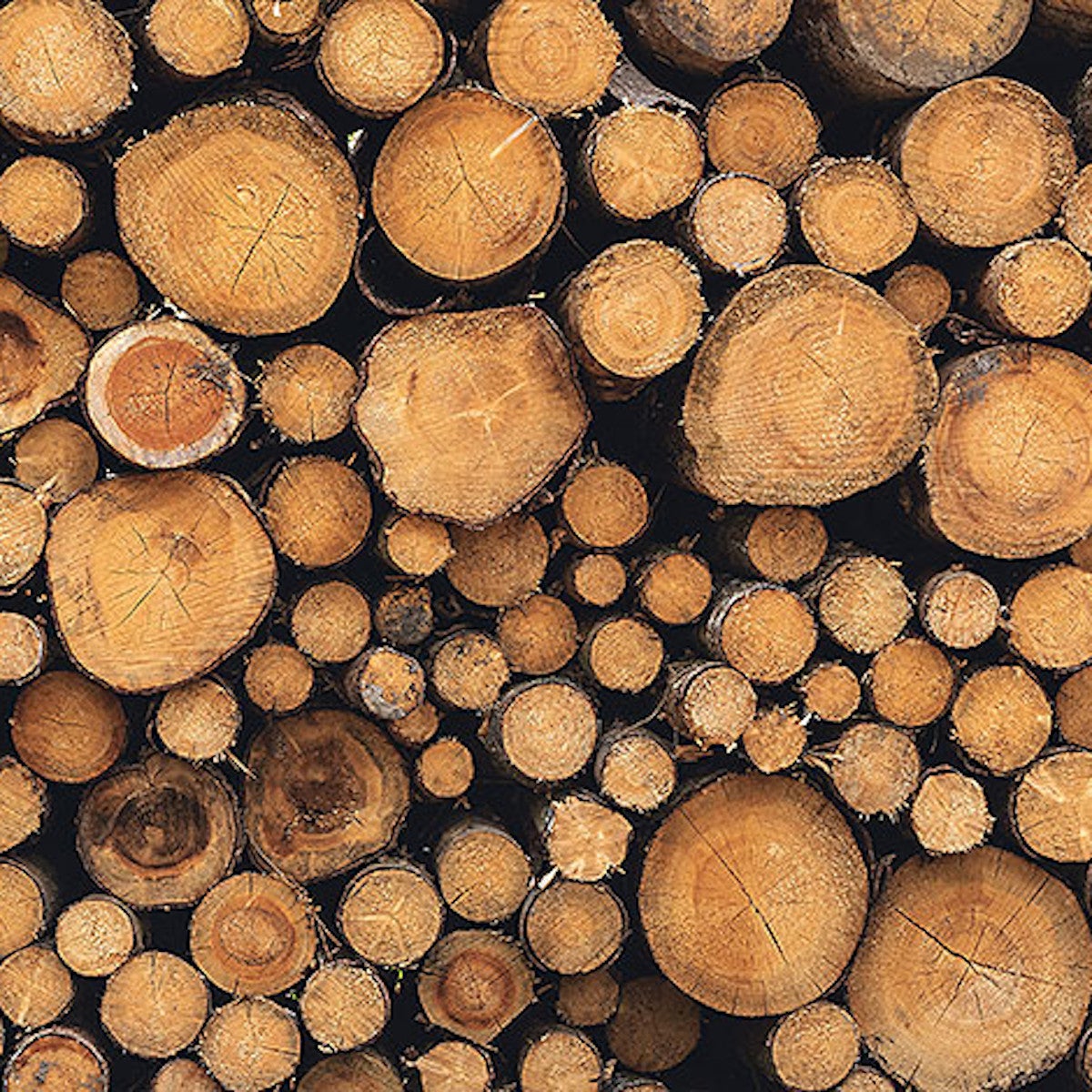
Iron, Coal, Wood**
About this episode
Maybe you don’t remember the days of the earliest coal-fired stoves. They changed domestic life, and that changed society. We take you back to that era, and to millennia prior when iron was first smelt, and even earlier, when axe-handles were first fashioned from wood, as we explore how three essential materials profoundly transformed society.
We were once excited about coal’s promise to provide cheap energy, and how iron would lead to indestructible bridges, ships, and buildings. But they also caused some unintended problems: destruction of forests, greenhouse gases and corrosion. Did we foresee where the use of wood, coal, and iron would lead? What lessons do they offer for our future?
Guests:
Jonathan Waldman – Author of Rust: The Longest War.
Ruth Goodman – Historian of British social customs, presenter of a number of BBC television series, including Tudor Monastery Farm, and the author of The Domestic Revolution: How the Introduction of Coal into Victorian Homes Changed Everything.
Roland Ennos – Professor of biological sciences at the University of Hull and author of The Age of Wood: Our Most Useful Material and the Construction of Civilization.
**Originally aired February 1, 2021
Featuring music by Dewey Dellay and Jun Miyake
Big Picture Science is part of the Airwave Media podcast network. Please contact [email protected] to inquire about advertising on Big Picture Science.
You can get early access to ad-free versions of every episode by joining us on Patreon. Thanks for your support!
Learn more about your ad choices. Visit megaphone.fm/adchoices
More from Big Picture Science
Over a hundred years ago two famous men met for a séance. One, the creator of an exceedingly rational pipe-smoking fictional detective, and the other, a showman who amazed audiences with feats of esca…
As their name suggests, “forever chemicals” have extraordinary staying power. When these nearly indestructible compounds find their way into our soil and water, they don’t break down for hundreds or t…
We can now follow where Monarch butterflies go when they leave our gardens with tiny sensors that track their impressive 3,000-mile migrations from Canada to Mexico. The significant challenges that th…
Carbon dioxide is more than an industrial pollutant driving climate change. The gas also played a pivotal part in the dramatic story of the beginning of all life. Starting in the ocean depths, dissolv…
How did scientists learn to peer inside the atom? In this preview from the BBC's In Our Time, physicist Harry Cliff tells the story of the birth of the particle accelerator, from Ernest Rutherford's c…