
Hot to Cold
About this episode
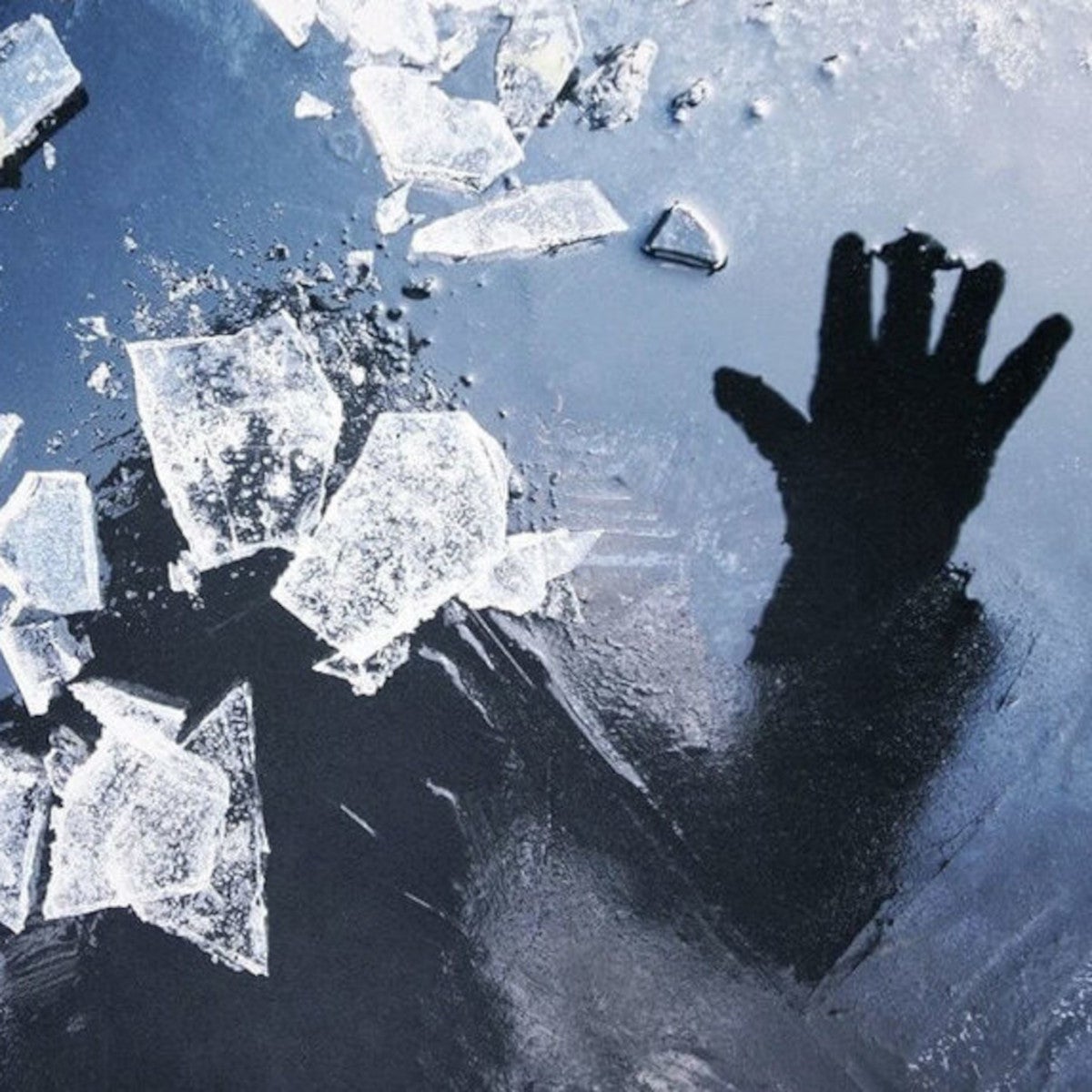
There are benefits to chilling out. When we cool superconductors to 460℉ degrees below zero, they acquire extraordinary properties that help run quantum computers. Can artificially cooling human bodies also provide profound benefit? Some cryonics startup companies say yes, promising “life after death” through cryogenic freezing. While it’s one thing to freeze all the cells in a body, it is another to revive them. What happens, for instance, to memories when brains thaw? While we gauge how low human body temperatures can go, new research suggests another form of life could find home in the cooler temperatures of Jupiter’s moon Europa. Find out how NASA’s Europa Clipper mission will investigate whether that moon could support alien microbes.
Guests:
Steve Austad – Distinguished Professor at the University of Alabama at Birmingham and Scientific Director of the American Federation for Aging Research
Olivia Lanes – Global Lead for Quantum Content and Education at IBM Quantum
Austin Green – Post doctoral research associate at Virginia Tech University, and former JPL postdoctoral fellow and affiliate scientist on Europa Clipper
Featuring music by Dewey Dellay and Jun Miyake
Big Picture Science is part of the Airwave Media podcast network. Please contact [email protected] to inquire about advertising on Big Picture Science.
You can get early access to ad-free versions of every episode by joining us on Patreon. Thanks for your support!
Correction: An editing error caused a mistake in describing how cold affects inflammation. Contrary to popular belief, at least one study found that cold increases inflammation, at least in the short term.
Learn more about your ad choices. Visit megaphone.fm/adchoices
More from Big Picture Science
Over a hundred years ago two famous men met for a séance. One, the creator of an exceedingly rational pipe-smoking fictional detective, and the other, a showman who amazed audiences with feats of esca…
As their name suggests, “forever chemicals” have extraordinary staying power. When these nearly indestructible compounds find their way into our soil and water, they don’t break down for hundreds or t…
We can now follow where Monarch butterflies go when they leave our gardens with tiny sensors that track their impressive 3,000-mile migrations from Canada to Mexico. The significant challenges that th…
Carbon dioxide is more than an industrial pollutant driving climate change. The gas also played a pivotal part in the dramatic story of the beginning of all life. Starting in the ocean depths, dissolv…
How did scientists learn to peer inside the atom? In this preview from the BBC's In Our Time, physicist Harry Cliff tells the story of the birth of the particle accelerator, from Ernest Rutherford's c…