
Flu the Coop
About this episode
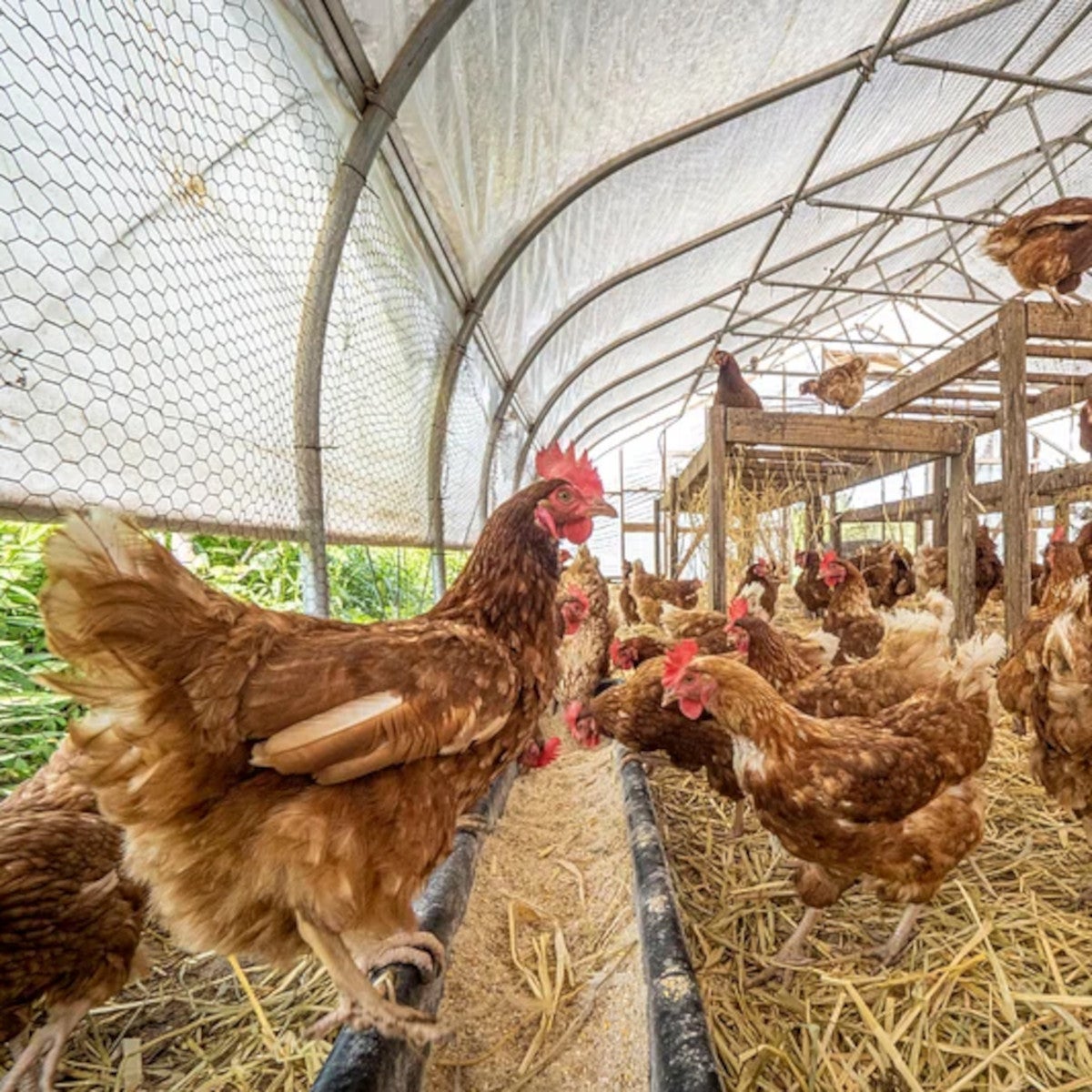
The worry about whether H5N1 will trigger a human pandemic has concealed a startling reality. Avian influenza has already taken an enormous toll on the lives of other animals. Since 2005, the number of wild and domesticated birds killed is greater than the combined human populations of the United States and Russia. Bird flu is burning through wild flocks, poultry farms, and mammal populations, including those of sea mammals. We look at the places where the virus can recombine and mutate, and why this version is not simply dying out as it has in years past. At a squawking live poultry market in Brooklyn, and on a Long Island duck farm, we hear about the difficult experience of euthanizing 100,000 birds and whether a farm can recover from such a devastating loss. And finally, we ask, why poultry vaccines that could curb the spread of H5N1 aren’t being used. But we begin our episode with descriptions of the soaring global migrations of birds whose feats of endurance help us understand why H5N1 is widespread in birds worldwide.
Guests:
Scott Weidensaul – Ornithologist, bird migration researcher, and author of "A World on the Wing: The Global Odyssey of Migratory Birds"
David Swayne – Bird flu veterinarian
Doug Corwin – Farmer and owner of Crescent Duck Farm, Aquebogue, New York
Jon Cohen – Senior correspondent with Science Magazine, where you can find his recent article, “The Pandemic Next Time,” and author of "Planning Miracles: How to Prevent Future Pandemics"
Featuring music by Dewey Dellay and Jun Miyake
You can get early access to ad-free versions of every episode by joining us on Patreon. Thanks for your support!
Big Picture Science is part of the Airwave Media podcast network. Please contact [email protected] to inquire about advertising on Big Picture Science.
Learn more about your ad choices. Visit megaphone.fm/adchoices
More from Big Picture Science
Over a hundred years ago two famous men met for a séance. One, the creator of an exceedingly rational pipe-smoking fictional detective, and the other, a showman who amazed audiences with feats of esca…
As their name suggests, “forever chemicals” have extraordinary staying power. When these nearly indestructible compounds find their way into our soil and water, they don’t break down for hundreds or t…
We can now follow where Monarch butterflies go when they leave our gardens with tiny sensors that track their impressive 3,000-mile migrations from Canada to Mexico. The significant challenges that th…
Carbon dioxide is more than an industrial pollutant driving climate change. The gas also played a pivotal part in the dramatic story of the beginning of all life. Starting in the ocean depths, dissolv…
How did scientists learn to peer inside the atom? In this preview from the BBC's In Our Time, physicist Harry Cliff tells the story of the birth of the particle accelerator, from Ernest Rutherford's c…