
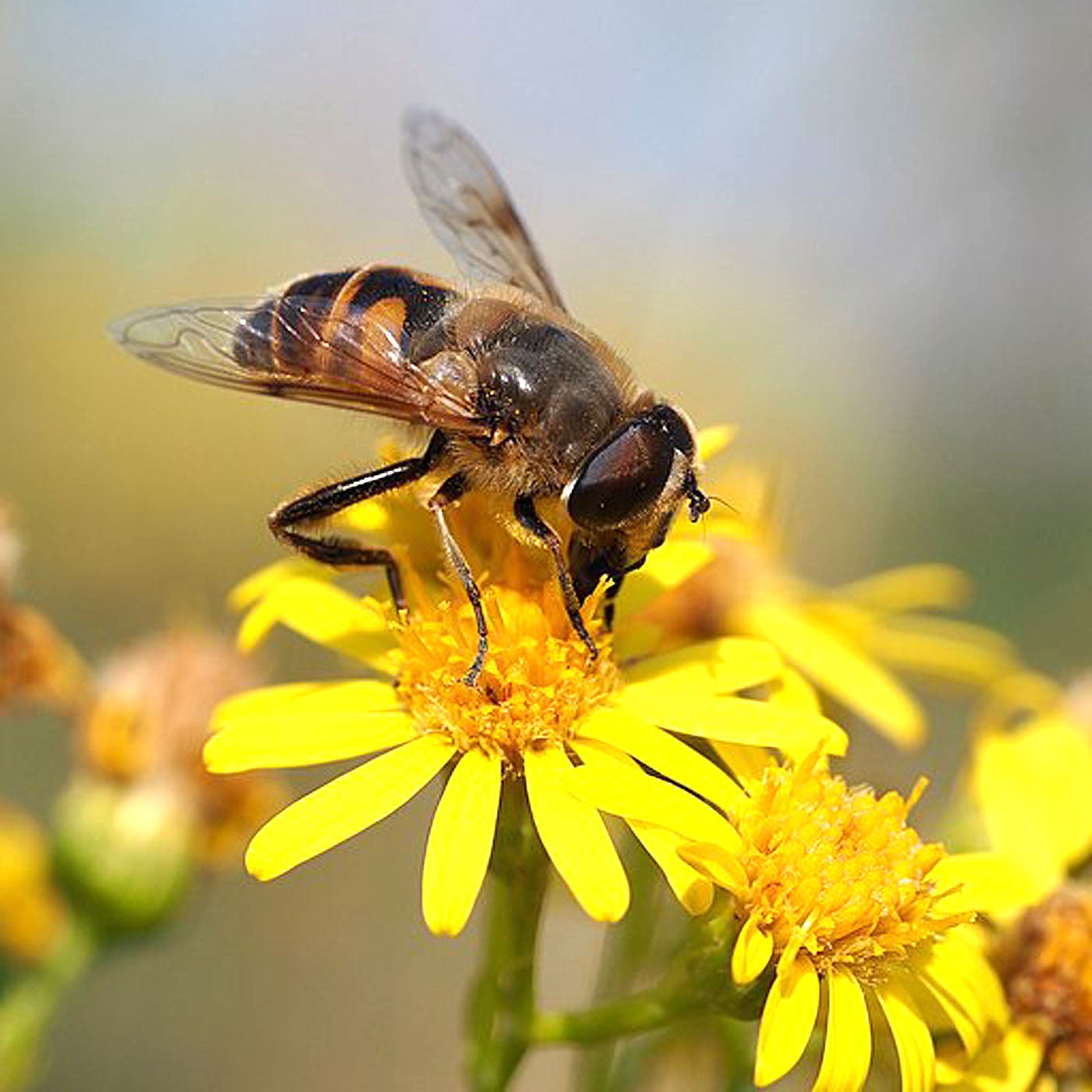
Flower Power*
About this episode
Before everything could come up roses, there had to be a primordial flower – the mother, and father, of all flowers. Now scientists are on the hunt for it. The eFlower project aims to explain the sudden appearance of flowering plants in the fossil record, what Darwin called an “abominable mystery.”
Meanwhile, ancient flowers encased in amber or preserved in tar are providing clues about how ecosystems might respond to changing climates. And, although it was honed by evolution for billions of years, can we make photosynthesis more efficient and help forestall a global food crisis?
Guests:
Eva-Maria Sadowski - Post doctoral paleobotanist at the Museum für Naturkunde, Berlin
Regan Dunn - Paleobotanist and assistant Curator at the La Brea Tar Pits and Museum
Royal Krieger - Rosarian and volunteer at the Morcom Rose Garden, Oakland, California
Ruby Stephens - Plant ecology PhD candidate at Macquarie University in Australia, and member of the eFlower Project
Stephen Long - Professor of Plant Science, University of Illinois
Featuring music by Dewey Dellay and Jun Miyake
*Originally aired March 13, 2023
You can get early access to ad-free versions of every episode by joining us on Patreon. Thanks for your support!
Big Picture Science is part of the Airwave Media podcast network. Please contact [email protected] to inquire about advertising on Big Picture Science.
Learn more about your ad choices. Visit megaphone.fm/adchoices
More from Big Picture Science
Over a hundred years ago two famous men met for a séance. One, the creator of an exceedingly rational pipe-smoking fictional detective, and the other, a showman who amazed audiences with feats of esca…
As their name suggests, “forever chemicals” have extraordinary staying power. When these nearly indestructible compounds find their way into our soil and water, they don’t break down for hundreds or t…
We can now follow where Monarch butterflies go when they leave our gardens with tiny sensors that track their impressive 3,000-mile migrations from Canada to Mexico. The significant challenges that th…
Carbon dioxide is more than an industrial pollutant driving climate change. The gas also played a pivotal part in the dramatic story of the beginning of all life. Starting in the ocean depths, dissolv…
How did scientists learn to peer inside the atom? In this preview from the BBC's In Our Time, physicist Harry Cliff tells the story of the birth of the particle accelerator, from Ernest Rutherford's c…