
After The Plague
About this episode
Everyone is familiar with the immediate consequences of a pandemic – sickness and death. But the long-term ramifications can be just as dramatic: a breakdown of the family and society, shifts in political power, and widespread appeals to magical thinking.
Plagues are societal disrupters. Their effects can linger long after the pathogens have gone.
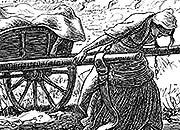
Also, hear how art responded to a pandemic and how the Louisiana Purchase was made possible by an outbreak of fever in the Caribbean.
Guest:
Frank Snowden – Professor of History and the History of Medicine at Yale University, and author of Epidemics and Society.
Learn more about your ad choices. Visit megaphone.fm/adchoices
More from Big Picture Science
Over a hundred years ago two famous men met for a séance. One, the creator of an exceedingly rational pipe-smoking fictional detective, and the other, a showman who amazed audiences with feats of esca…
As their name suggests, “forever chemicals” have extraordinary staying power. When these nearly indestructible compounds find their way into our soil and water, they don’t break down for hundreds or t…
We can now follow where Monarch butterflies go when they leave our gardens with tiny sensors that track their impressive 3,000-mile migrations from Canada to Mexico. The significant challenges that th…
Carbon dioxide is more than an industrial pollutant driving climate change. The gas also played a pivotal part in the dramatic story of the beginning of all life. Starting in the ocean depths, dissolv…
How did scientists learn to peer inside the atom? In this preview from the BBC's In Our Time, physicist Harry Cliff tells the story of the birth of the particle accelerator, from Ernest Rutherford's c…