
Episode 10 · Season 1
The Drug War
About this episode
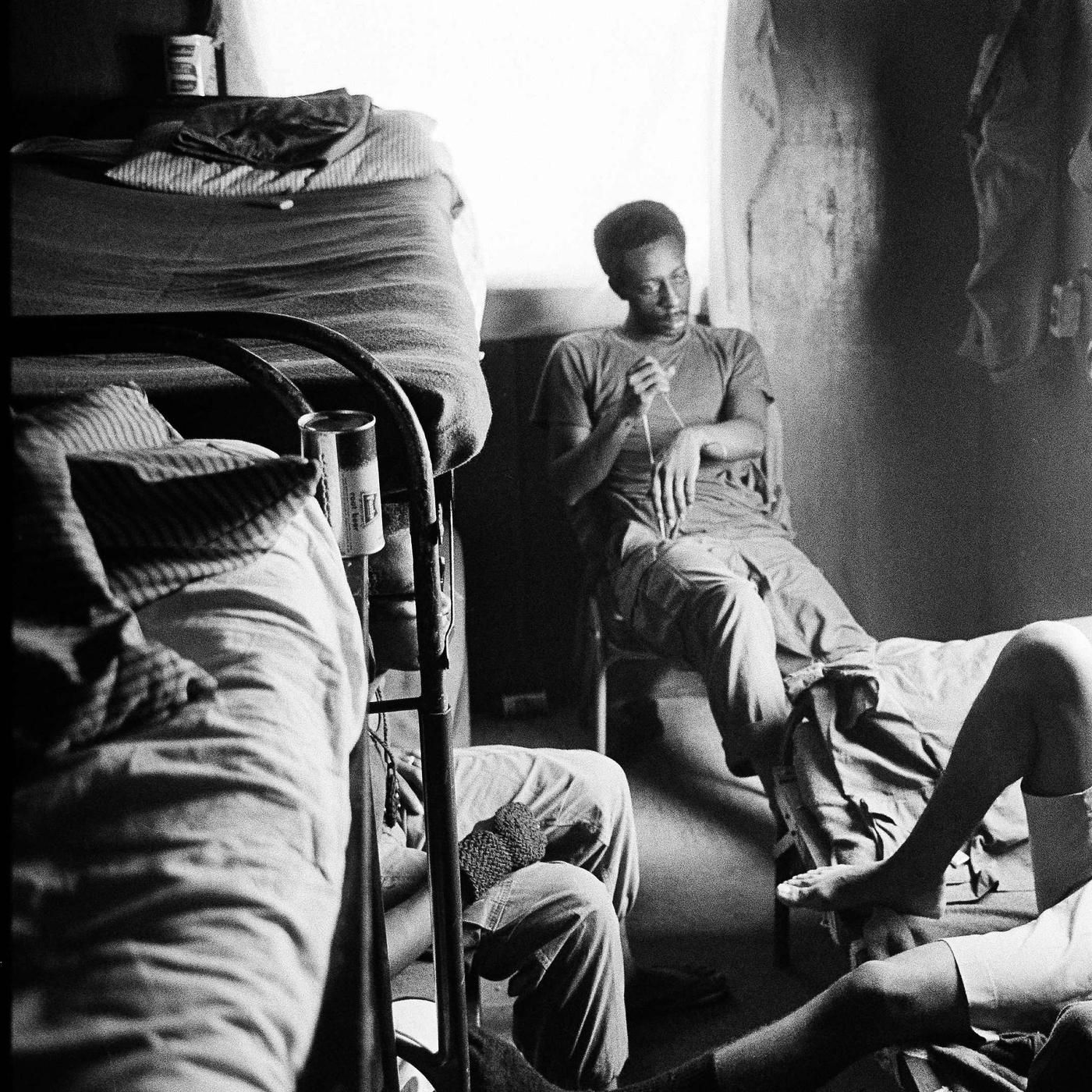
As the opioid epidemic continues to increase, we take a look back at the Sixties when the War on Drugs, a federal effort to decrease illegal drug use, was beginning to take shape. It was a decade of intense change in America as political assassinations took place, the Black power movement rose, and the Vietnam War intensified. It was also a time that conservatives, scared about the future of their country, were beginning to fight back. No one understood this more than Richard M. Nixon during his second run for president in 1968. Nixon knew that many people, especially southern whites, were afraid of the social progress that the country was making at the time. He also knew that drug use and crime were going up and that tapping into the fears and anxieties, while tying them to race, may have been just the strategy he needed to win. “The wave of crime is not going to be the wave of the future in the United States of America,” Nixon said in 1968 as he accepted the Republican nomination, becoming the law and order candidate.It worked, and when he was elected he decided to make good on his promise, focusing not only on crime, which is often a state issue, but drugs. Drugs were a federal issue that was gaining traction among the public and in the political realm, as heroin use spread among both Americans at home and US soldiers in Vietnam.Christopher Johnson looks at the beginning of the War on Drugs in America, from it’s roots with the Southern Strategy, to the strange support for methadone treatment centers, to the so-calledRockefeller Drug Laws in New York. “America’s public enemy number 1 in the US is drug abuse,"declared Nixon in 1971 as he launched the War on Drugs. “In order to defeat this enemy, it is necessary to wage a new, all-out offensive.” Though he didn’t utter the phrase, Nixon's "War On Drugs" was a costly offensive whose long-lasting impact on drug policy, law enforcement and American culture continues today.Episode Contributors:Kai WrightChristopher JohnsonKaren FrillmannThe United States of Anxiety is hosted by Kai Wright and produced by WNYC Studioshttps://itunes.apple.com/us/artist/wnyc/id127981066?mt=2.Listen to more shows from WNYC Studios: http://wny.cc/yzc4304odXpWNYC Studios is the producer of other leading podcasts including Freakonomics, Radiolab, Here's The Thing with Alec Baldwin and many more.
More from Notes from America with Kai Wright
Our final episode is dedicated to the people who are too often left out when we celebrate the past.
Washington, D.C.’s newest museum is an homage to go-go, a music genre born and bred in the District, exploring how the music became a rich culture reflecting the city's heritage.
From holiday sing-alongs to your personal stories, the best part of this show is hearing from our listeners. Before we wrap up, we revisit some special moments — led by you.
Shot and severely injured while visiting family in Vermont in 2023, college student Hisham Awartani grapples with his recovery in the U.S., and an unfolding war at home in Palestine.
Decades later, AIDS is still with us and its status as an epidemic remains accurate. In this episode, we learn why that is from two women and a young man born with HIV.