
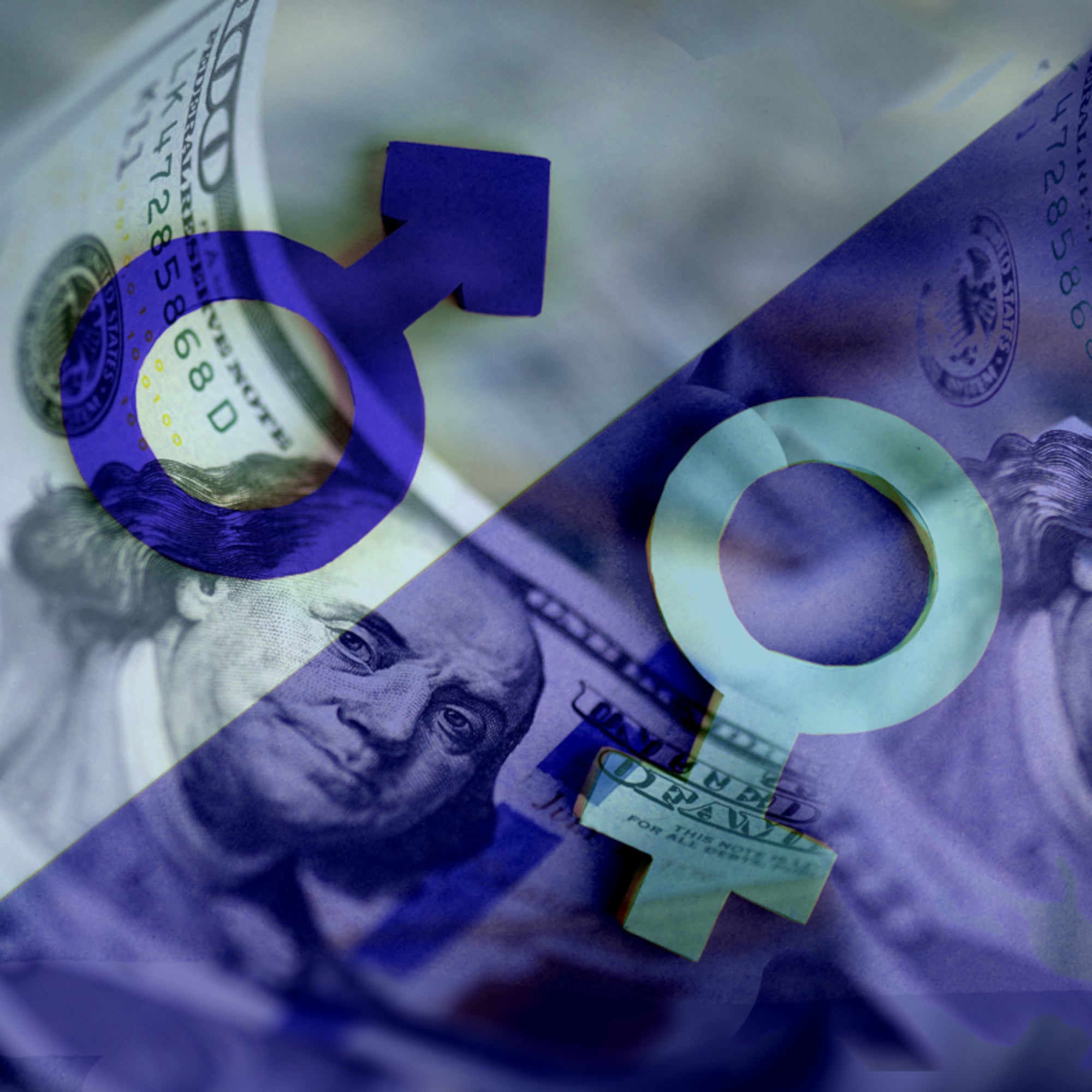
Should We Address the Gender Wage Gap?
About this episode
American women are, on average, paid 84 cents for every dollar men make, according to the Department of Labor. This wage gap has persisted despite near-record rates of women’s participation in the labor market, with wage gaps even larger for women in minority populations, and it’s estimated that pay parity will not be achieved until 2052. Should policy interventions address these disparities, or is it more important to recognize and honor women's personal decisions and find another way to look at the gap Those in favor of fixing the gap see it as a point of fairness and equity that would bring economic benefits, such as enhanced family incomes and increased productivity, and say that new policies are needed urgently to dismantle systemic barriers stopping women from earning more. Those who aren’t in favor argue wage disparities reflect individual choices regarding career paths, work-life balance, and tenure, rather than systemic discrimination. They also point out that when adjusted for factors like job type, hours worked, and career breaks, the gap significantly narrows.
Against this backdrop, we debate the question: Should We Address the Gender Wage Gap?
Arguing Yes: Kadie Ward, Commissioner and Chief Administrative Officer of the Pay Equity Commission of Ontario
Arguing No: Allison Schrager, Pension Economist, Bloomberg Opinion Contributor & Senior Fellow at the Manhattan Institute
Nayeema Raza, Journalist at New York Magazine and Vox, is the guest moderator.
Learn more about your ad choices. Visit podcastchoices.com/adchoices
More from Open to Debate
How can you have meaningful conversations in increasingly divided times, whether it’s against the backdrop of American politics or social media? To author Mónica Guzmán, it’s by asking yourself, “What…
What if a controversial video of a presidential candidate went viral days before an election… but none of it was real? As AI-generated deepfakes of politicians become increasingly convincing, should t…
Nvidia CEO Jensen Huang's departure, following revelations of affairs with two Nvidia employees and a woman identified by U.S. officials as a Chinese spy, has sparked questions and controversy over pe…
AI is transforming college classrooms, but is it helping students learn or doing the thinking for them? Critics warn that AI can enable cheating, weaken critical thinking, and encourage students to ou…
Would you hand a stranger access to your bank accounts, private messages, and personal information? What if that stranger were an AI agent? Advocates argue these tools could revolutionize productivity…