
Episode 1822 · Season 1
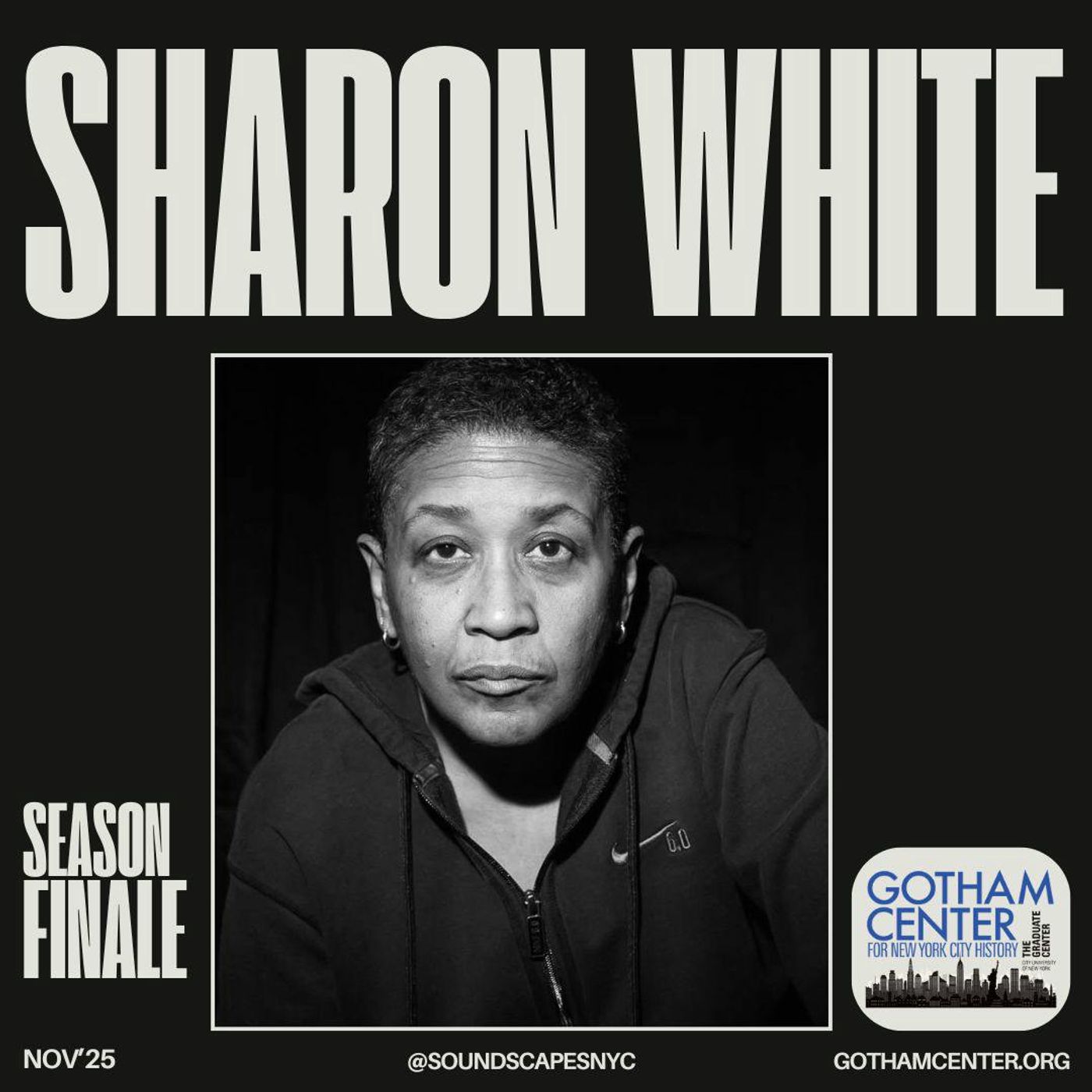
Sharon White Rewires Disco
About this episode
At the center of 1970s New York's most iconic clubs—from the celebrity-studded Studio 54 to the premiere lesbian discotheque Sahara—stood a queer Black woman on the turntables: Sharon White. With a sound she describes as "edgy, deep, aggressive, tech, synthy, percussive and lush," White became the first woman resident DJ at the Saint and the only woman to ever play Paradise Garage, breaking barriers in spaces where women were told they didn't belong. Her five-decade career didn't just challenge disco's male-dominated DJ culture; it redefined it, paving the way for future generations of women behind the decks. In this season finale, we explore how one visionary artist carved out space in disco's inner sanctum and what her trailblazing journey reveals about women—especially queer Black women—who shaped the sound and culture of an era from behind the booth.
In the Season 2 Finale, hosts Ryan Purcell and Kristie Soares talk with legendary DJ Sharon White. Born in West Babylon, New York, White studied music at the New York School of Music before becoming a radio disc jockey. In 1975, she transitioned to club DJing, finding near-instant success at legendary venues including Studio 54, the Saint, Paradise Garage, Sahara, Limelight, and the Warehouse. She has been credited by several other women DJs, including Lizzz Krizer and Wendy Hunt, for helping them break onto the scene. White is still DJing today, and you can find her mixes on SoundCloud and Mixcloud.
Support our show by becoming a premium member! https://newbooksnetwork.supportingcast.fm/african-american-studies
More from New Books in African American Studies
Coastal Louisiana is losing land at an unprecedented rate, and in response, scientists and policymakers have turned to massive restoration projects to slow the erosion. Good Sediment enters this charg…
In the decades after Reconstruction, African Americans were systematically removed from the electorate in the American South using tools such as poll taxes and literacy tests. Stolen Representation: B…
For centuries, Black women in America have experienced extreme rates of arrest, conviction, and incarceration in the nation’s jails and prisons, yet their experiences have often been overlooked in fav…
In his celebrated address “What to the Slave is the Fourth of July?” Frederick Douglass denounced America’s hypocritical celebration of freedom. But he did not blame the nation’s founding document for…
Founded in 1935, the New Farmers of America (NFA) was the first national organization for Black farm boys studying vocational agriculture at segregated public high schools across the South—and as far…