
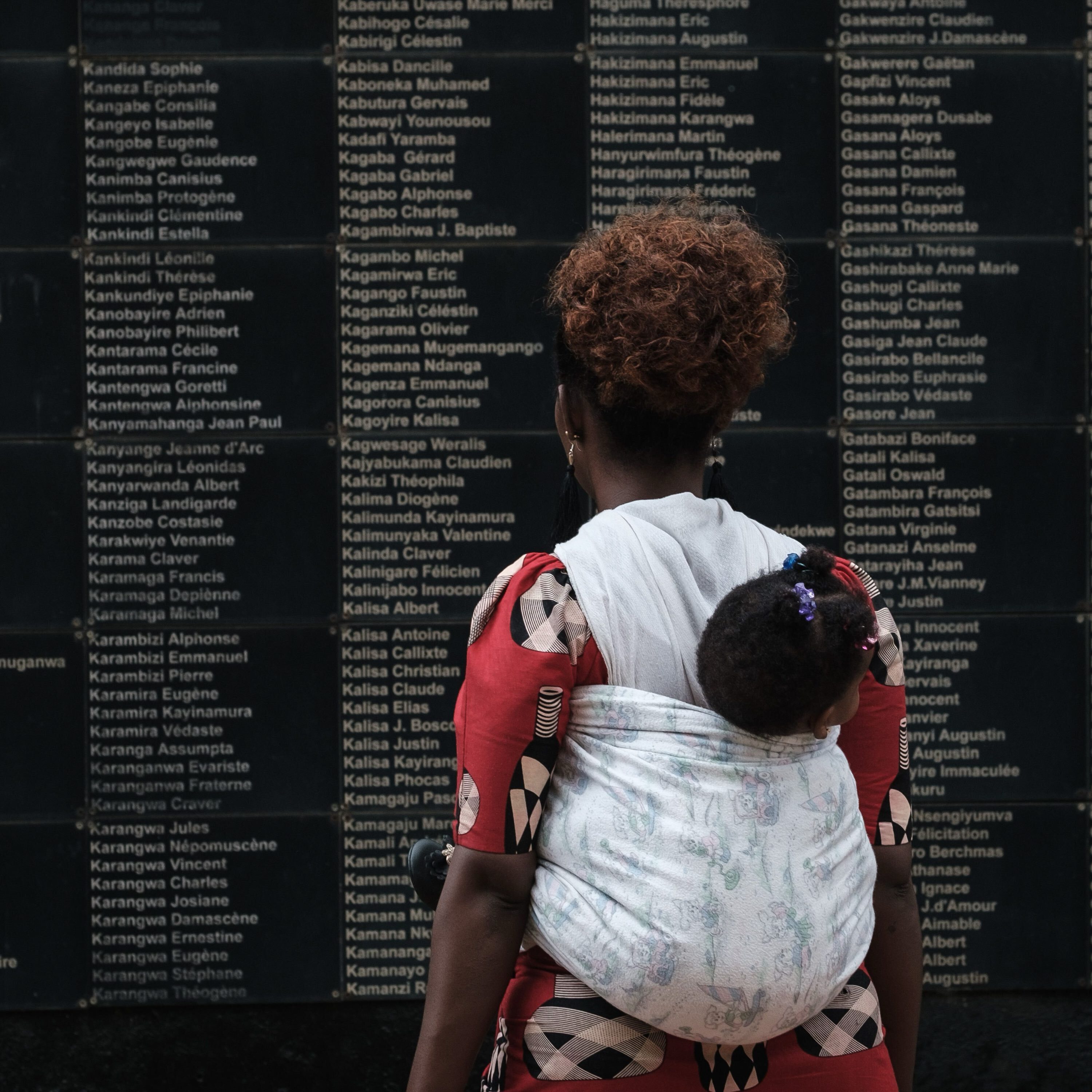
Remembering the Rwandan Genocide
About this episode
Thirty years ago, Rwanda’s government began a campaign to eradicate the country’s largest minority group. In just one hundred days in 1994, roving militias killed around eight hundred thousand people. Would-be killers were incited to violence by the radio, which encouraged extremists to take to the streets with machetes. The United Nations stood by amid the bloodshed, and many foreign governments, including the United States, declined to intervene before it was too late. What got in the way of humanitarian intervention? And as violent conflict now rages at a clip unseen since then, can the international community learn from the mistakes of its past?
Featured Guests:
Claude Gatebuke (Executive Director, African Great Lakes Action Network)
David Scheffer (Senior Fellow for International Law and Criminal Justice, CFR)
For an episode transcript and show notes, visit us at: https://www.cfr.org/podcasts/remembering-rwandan-genocide
More from Why It Matters
Among wealthy nations worldwide, populations are aging and the race to extend the duration of a healthy life has become a matter of national strategy, not just personal wellness. From Russia’s planned…
Medical tourism, a growing global industry serving patients who seek care abroad, spans everything from dental work and BBLs to hip replacements, surrogacy, and organ transplants. Driven mostly by cos…
What happens if the world’s pharmacy decides to close? From ibuprofen to amoxicillin, a majority of the essential medicines used in the United States depend on ingredients from China. This dependence…
GLP-1 drugs such as Ozempic have become some of the world's most-wanted medicines, but soaring demand has also turned them into a stress test for the global drug system. On this episode of Why It Matt…
This episode explores how drones, cell phones, and other widely-available intelligence tools are turning civilians and aid workers into frontline witnesses—documenting war in real time, guiding humani…