
Episode 8 · Season 1
Remaining Connected
About this episode
For a year spent locking down, there’s been an awful lot of talk about moving. New Yorkers are supposedly fleeing the city in droves (or so the story goes). The flipside of this narrative, of course, is forced removal: a looming eviction crisis that is set to disproportionately impact the city’s most vulnerable. Amid the upheaval, a long-standing arts organization is settling into a new space in Bedford-Stuyvesant — and engaging directly with what it means to put down roots in a neighborhood undergoing contentious changes.
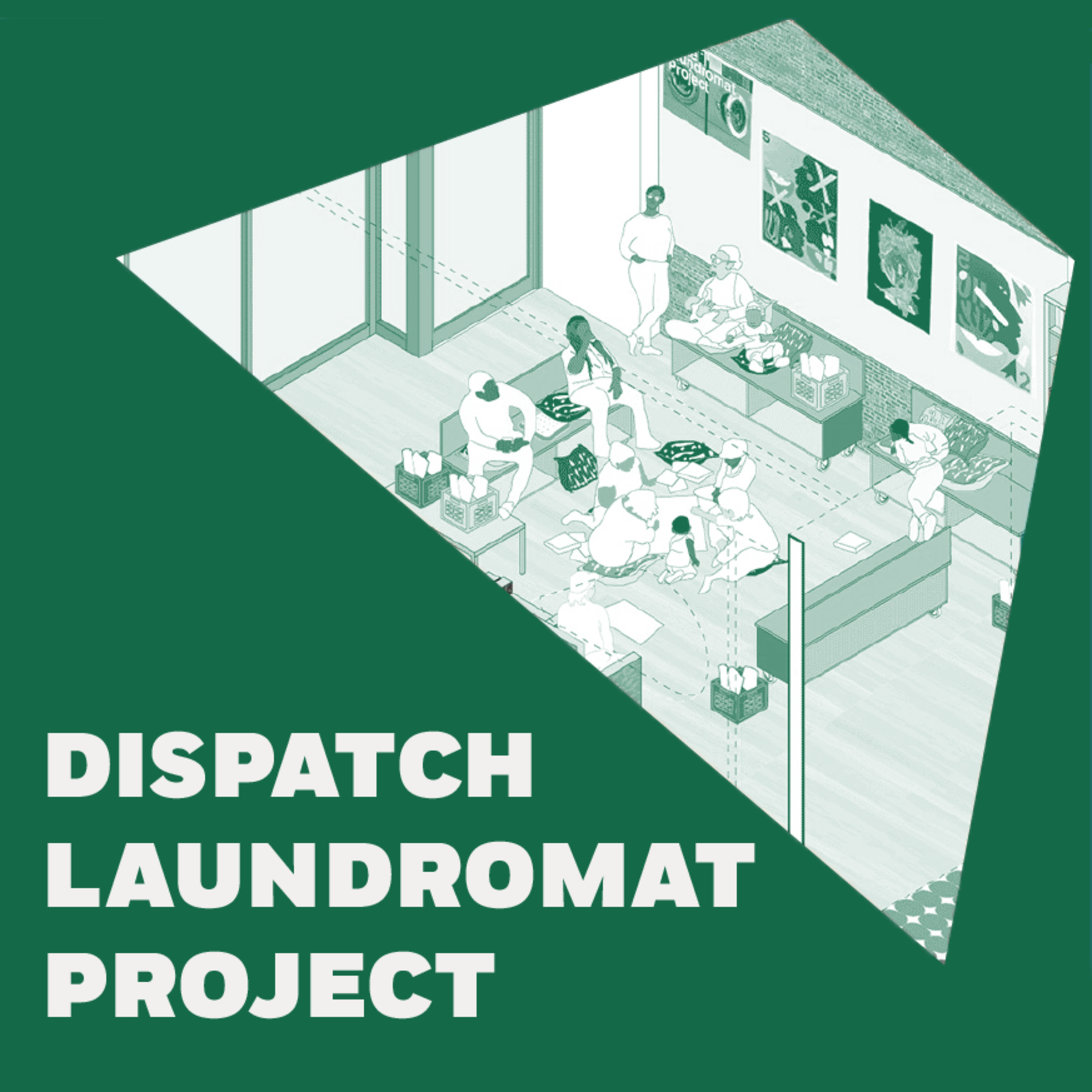
The Laundromat Project may have started as an itinerant endeavor, but it’s always been anchored in the city’s communities of color. Through fellowships, residencies, and place-based art projects (many hosted by actual laundromats), the Laundromat Project has been supporting artists whose work deals with site-specific issues impacting the city’s Black and brown residents: gentrification and displacement; policing and community safety; climate change and food injustice. For the last five years, the organization been sharing space in a two-bedroom-apartment-turned-community-hub in the South Bronx; but when it came time to find a more permanent home, they looked to their own history. Founded 15 years ago in Bed-Stuy, the Laundromat Project is returning to set up shop in a storefront on Fulton Street. We hear from the LP’s Hatuey Ramos-Fermin, Cievel Xicotenchatl and Erica Rawles about the challenges of moving in and meeting the neighbors in the short term, and how they are working to build a shared vision with their community for the next ten years.
More from Dispatches
A year of confinement and circumscription, 2020 has altered New Yorkers’ relationship to place. KC Trommer, Nadia Q. Ahmad and Jared Harél are better equipped than most to capture this state of height…
Contrary to certain “ghostly” claims, at the close of a year that’s upended urban life as we know it, New York City has, to a large degree, managed to adapt. New Yorkers’ expectations have adjusted to…
As surely as a public health crisis shakes the foundation of a society, incarceration demolishes the infrastructure of a life. Housing is lost and jobs dry up. The relationships and encounters that fo…
There’s something different about New York City streets these days. As the Department of Transportation expands the scope of its Open Streets program (with mixed results), more than 7,500 restaurants…
In New York City, the spread of the novel coronavirus has closely tracked the geography of segregation. Though its long-term consequences for public and economic health remain unknown, its immediate t…