
Publishing in a Polarized World
About this episode
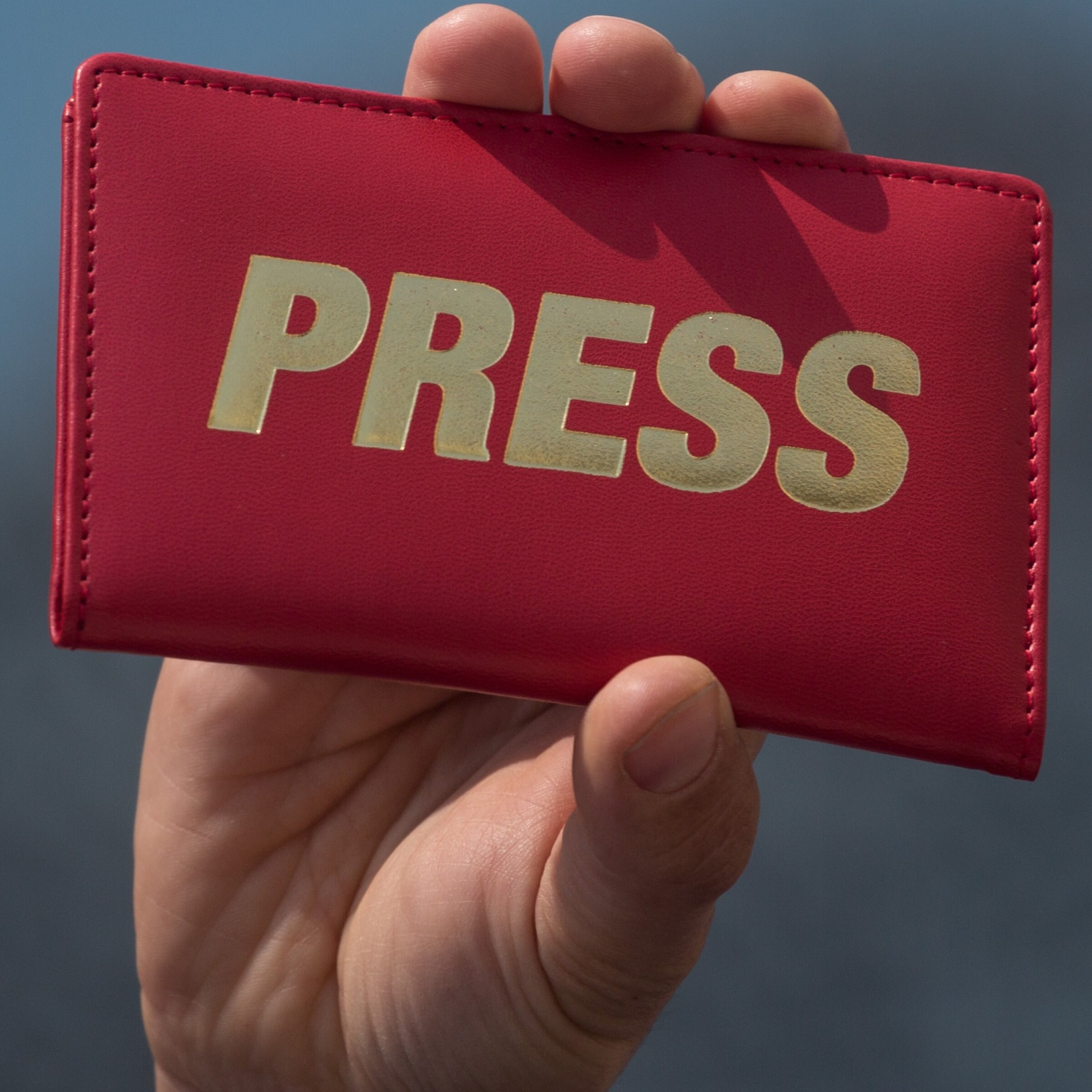
A free and independent press is at the core of many democracies. But threats to the safety of journalists abound worldwide, and the rise of generative artificial intelligence has raised concerns about the future of media. At the same time, more people have access to high quality news now than perhaps ever before. Where does all this leave the state of the current media climate?
In this episode, Host Gabrielle Sierra and Foreign Affairs Editor Daniel Kurtz-Phelan talk about the future of journalism, and whether political polarization presents a challenge to nonpartisan publishing.
Dan Kurtz-Phelan (Executive Editor, Foreign Affairs)
For an episode transcript and show notes, visit us at: https://www.cfr.org/podcasts/publishing-polarized-world
More from Why It Matters
Among wealthy nations worldwide, populations are aging and the race to extend the duration of a healthy life has become a matter of national strategy, not just personal wellness. From Russia’s planned…
Medical tourism, a growing global industry serving patients who seek care abroad, spans everything from dental work and BBLs to hip replacements, surrogacy, and organ transplants. Driven mostly by cos…
What happens if the world’s pharmacy decides to close? From ibuprofen to amoxicillin, a majority of the essential medicines used in the United States depend on ingredients from China. This dependence…
GLP-1 drugs such as Ozempic have become some of the world's most-wanted medicines, but soaring demand has also turned them into a stress test for the global drug system. On this episode of Why It Matt…
This episode explores how drones, cell phones, and other widely-available intelligence tools are turning civilians and aid workers into frontline witnesses—documenting war in real time, guiding humani…