
Episode 70 · Season 1
On John Milton's "Paradise Lost"
About this episode
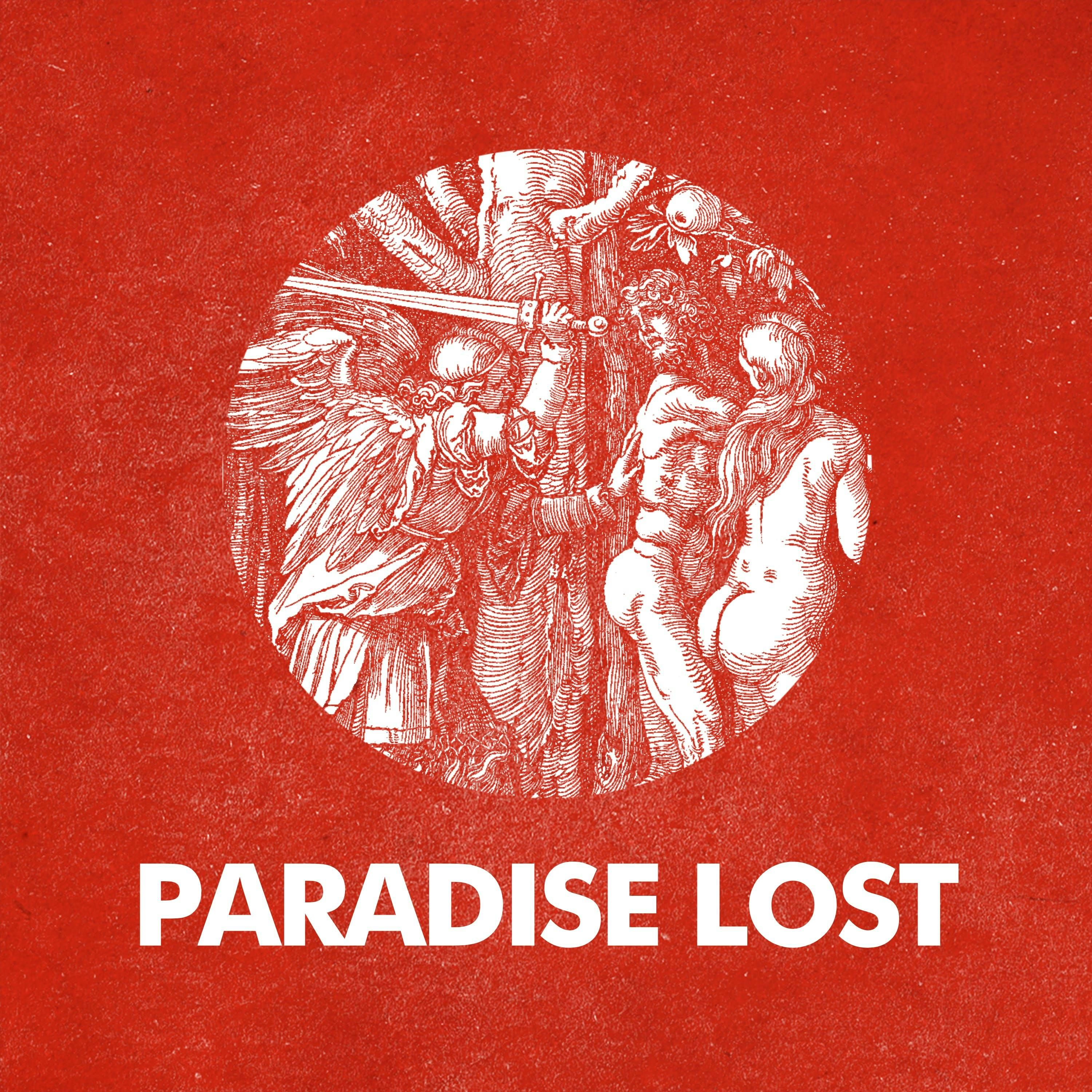
As a young student at Christ’s College Cambridge, John Milton announced to the world that he was going to write the greatest poem that the world has ever seen. He didn’t want to sit among the epic geniuses Homer and Virgil, he wanted to surpass them. Decades later, Milton wrote Paradise Lost, reworking and embellishing the stories of Adam and Eve’s fall from paradise and Satan’s fall from heaven to create what is unquestionably the greatest epic poem written in English. Erik Gray is a professor of English and comparative literature at Columbia University. His books include The Art of Love Poetry, Milton and the Victorians, and The Poetry of Indifference: from the Romantics to the Rubáiyát. See more information on our website, WritLarge.fm. Follow us on Twitter @WritLargePod.
More from Writ Large
Ayn Rand's 1957 novel Atlas Shrugged explores the question: What happens when the creators of a society refuse to create? Her answer was a work that is equal parts dystopian warning, philosophical man…
Martin Heidegger did not like small thoughts. He was fascinated by the most expansive questions humans can ask themselves. Questions like: Why are we here at all? Why do things exist as they do? What…
In Paris in 1953, one of the strangest and most popular plays of the 20th century premiered, Waiting for Godot, written by the Irish writer Samuel Beckett. Since the premier, people have been trying t…
William Shakespeare is the greatest writer in history, and Hamlet is his greatest work. In Hamlet, Shakespeare gave us one of the first modern characters in literature. We are invited into the mind of…
Don Quixote was written by Spanish author Miguel de Cervantes. He wrote it in two parts. Part one was published in 1605, and part two ten years later, in 1615. The story is centered around a middle ag…