
Episode 77 · Season 1
Negro Literature
About this episode
Elizabeth McHenry talks about the moment in the history of African American literature in the decade following the 1896 legalization of segregation, the subject of her new book To Make Negro Literature: Writing, Literary Practice, and African American Authorship. She redirects attention to overlooked archives of unpublished and unsuccessful literary production and thereby offers a radically alternative genealogy of Black literature.
Elizabeth McHenry is Professor of English at New York University and author of Forgotten Readers: Recovering the Lost History of African American Literary Societies, also published by Duke University Press. The book relies on a number of theoretical and disciplinary lenses to understand the epistemological and social conditions of print culture and literary community for African Americans between 1830 and 1940. It expands our definition of literacy and urges of us think about literature as broadly as it was conceived of in the nineteenth and into the twentieth centuries.
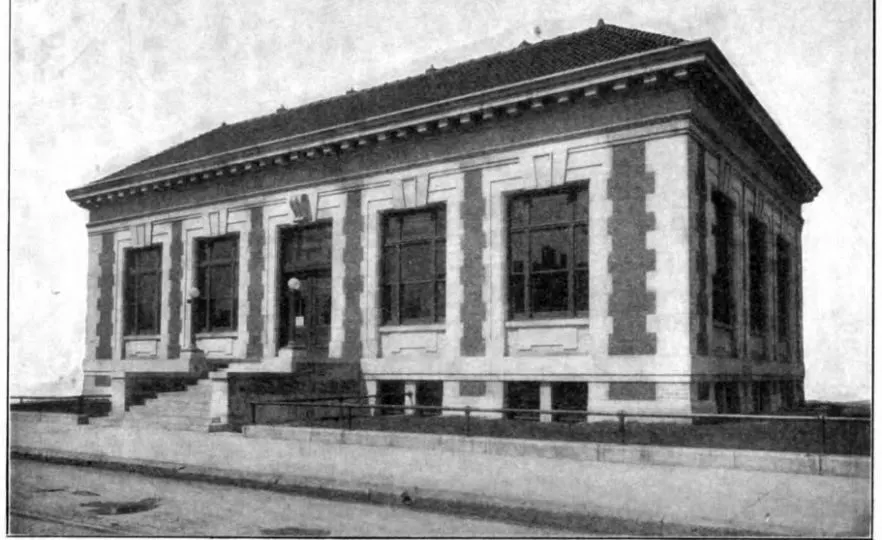
Image: The Louisville Western Branch Library in Louisville, Kentucky
Music used in promotional material: ‘Afro-American Symphony: II – Adagio’, William Grants Still
Learn more about your ad choices. Visit megaphone.fm/adchoices
Support our show by becoming a premium member! https://newbooksnetwork.supportingcast.fm/african-american-studies
More from New Books in African American Studies
In the decades after Reconstruction, African Americans were systematically removed from the electorate in the American South using tools such as poll taxes and literacy tests. Stolen Representation: B…
For centuries, Black women in America have experienced extreme rates of arrest, conviction, and incarceration in the nation’s jails and prisons, yet their experiences have often been overlooked in fav…
In his celebrated address “What to the Slave is the Fourth of July?” Frederick Douglass denounced America’s hypocritical celebration of freedom. But he did not blame the nation’s founding document for…
Founded in 1935, the New Farmers of America (NFA) was the first national organization for Black farm boys studying vocational agriculture at segregated public high schools across the South—and as far…
The significance of Hubert Henry Harrison (1883–1927)—as a journalist, activist, and educator—lies in his innovation of radical solutions to radical injustices. He witnessed staggering luxury for the…