
Episode 4 · Season 1
How the Bad Blood Started
About this episode
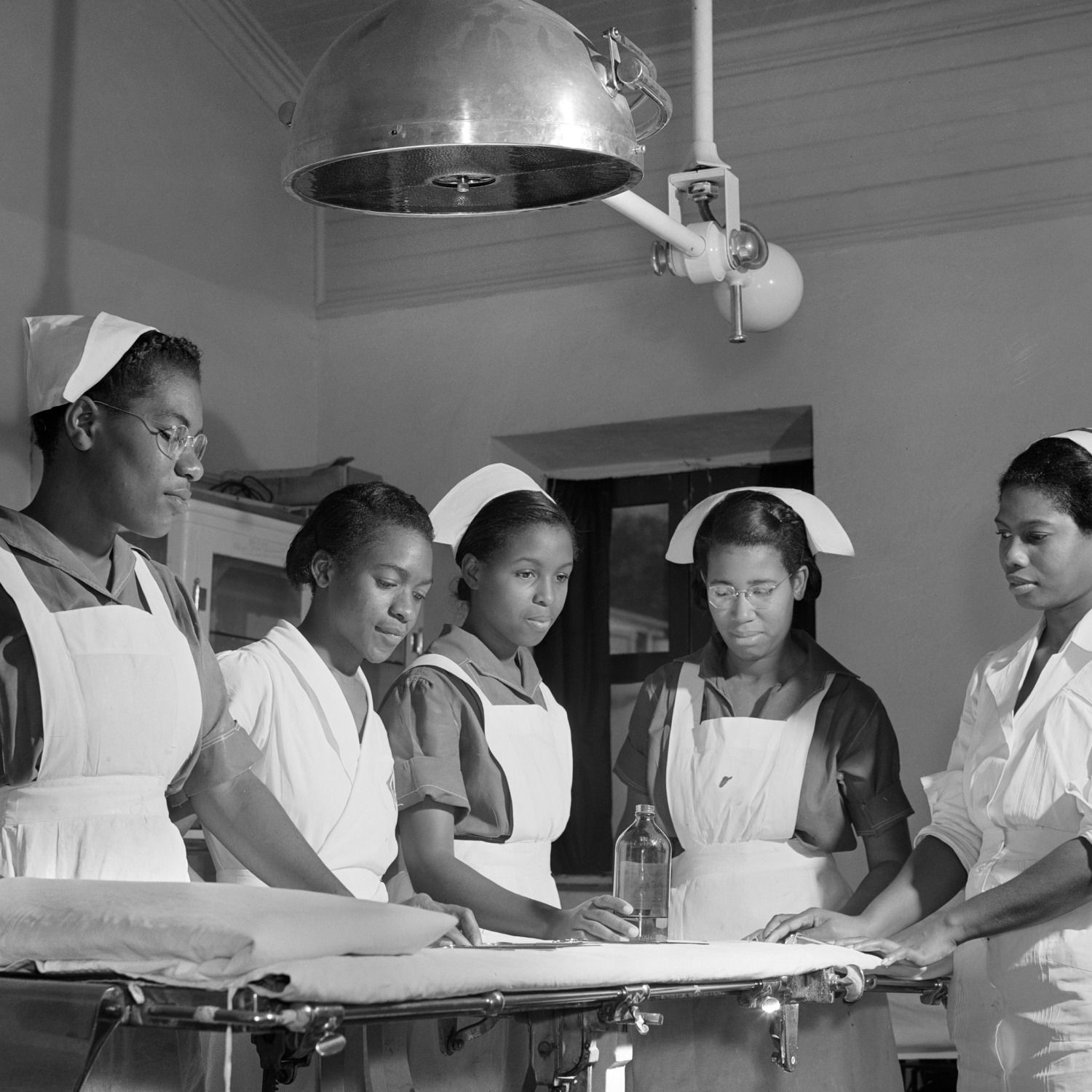
Black Americans were denied access to doctors and hospitals for decades. From the shadows of this exclusion, they pushed to create the nation’s first federal health care programs. On today’s episode: Jeneen Interlandi, a member of The New York Times’s editorial board and a writer for The Times Magazine, and Yaa Gyasi, the author of “Homegoing.”
“1619” is a New York Times audio series hosted by Nikole Hannah-Jones. You can find more information about it at nytimes.com/1619podcast.
More from 1619
The Provosts, a family of sugar-cane farmers in Louisiana, had worked the same land for generations. When it became harder and harder to keep hold of that land, June Provost and his wife, Angie, didn’…
More than a century and a half after the promise of 40 acres and a mule, the story of black land ownership in America remains one of loss and dispossession. June and Angie Provost, who trace their fam…
Black music, forged in captivity, became the sound of complete artistic freedom. It also became the sound of America. On today’s episode: Wesley Morris, a critic-at-large for The New York Times. “1619…
The institution of slavery turned a poor, fledgling nation into a financial powerhouse, and the cotton plantation was America’s first big business. Behind the system, and built into it, was the whip.…
America was founded on the ideal of democracy. Black people fought to make it one. “1619” is a New York Times audio series hosted by Nikole Hannah-Jones. You can find more information about it at nyti…