
Episode 12: No somos uno
About this episode
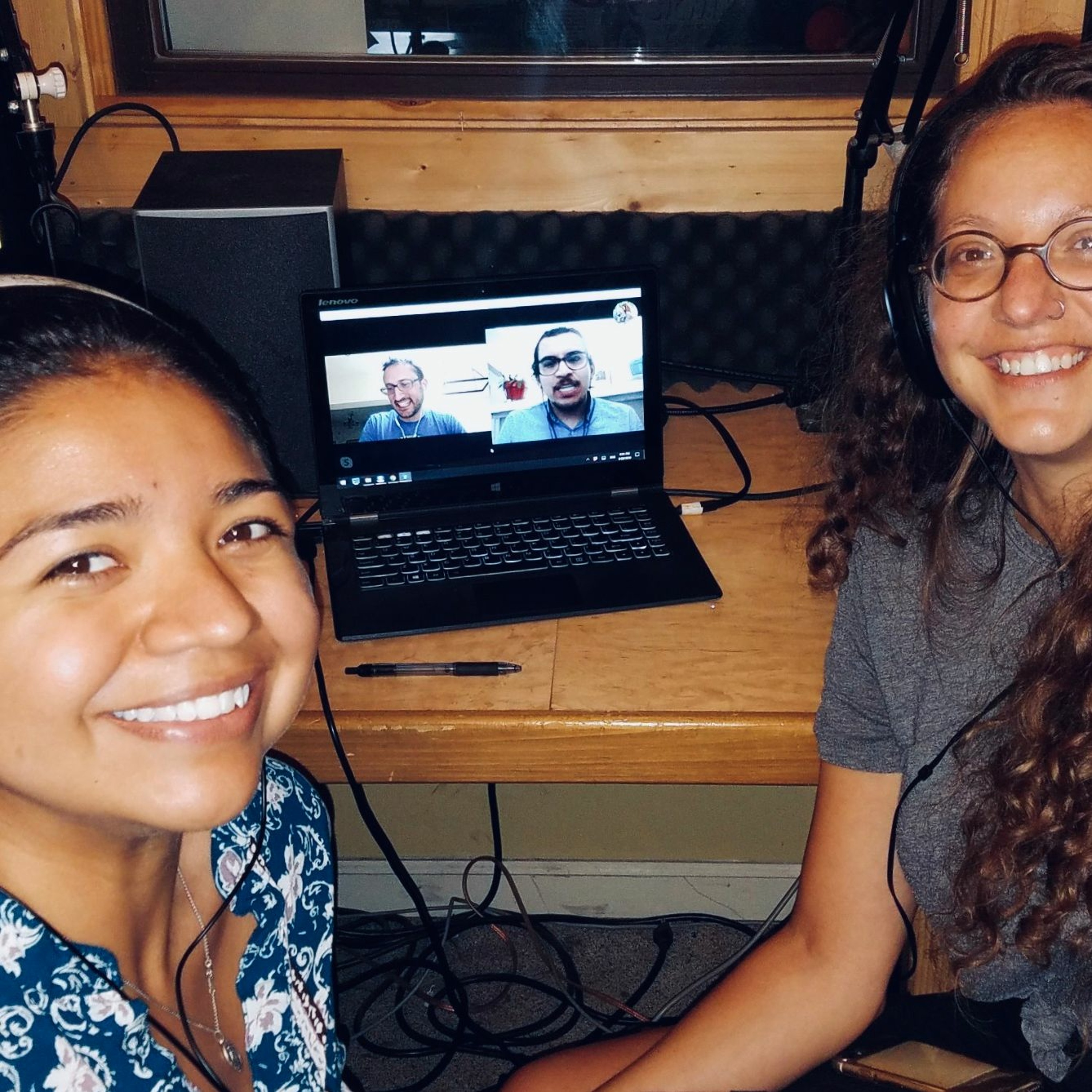
Curious about interpreter coops, crews and collectives? Three guests doing collective language justice work in the South join us on this special episode. Tony Macias is a founding worker-owner of tilde Language Justice Cooperative and has worked nationally and internationally to bring language skills to movements and a justice-oriented approach to multilingual spaces. Rocio Quintero is one of ten worker-owners who are weaving community through language at Cenzontle Language Justice Coop. José Eduardo Sánchez is a member of Antena Houston, a collective of interpreters, translators, and language justice workers dedicated to creating inclusive multilingual capacity and spaces across Houston. Our three guests get into the nitty gritty of coops and collectives, including rates, equitable distribution of work, and the hardest and most rewarding parts of doing language justice work with others.
Transcript available at www.seveseescucha.com/episodes
tilde - http://tilde.coop/
Cenzontle - http://cenzontle.coop/
Antena Houston - https://antenaantena.org/antena-houston/
Follow SVSE on:
Instagram.com/seveseescucha
Facebook.com/svsepodcast
Twitter.com/svsepodcast
More from Se Ve Se Escucha
In this final episode of Season 3, we learn about herbs and remedios that can support us in our language justice work. Sarah Nuñez and Nayra Adriana Pacheco Guzmán share some recipes for strength and…
In this episode, we are joined by Akua Page and Chris Cato of Geechee Experience, an online platform celebrating Gullah Geechee language and culture. Like Akua says, “If the African diaspora had a bab…
What does the future of the language justice movement hold? What visions, inspiration and encouragement will we need to get us there? Recently, organizers, educators, artists, interpreters and others…
Are you spending your days interpreting over Zoom? Are you hiring interpreters for your multilingual online meeting? We check in with three people navigating the world of remote simultaneous interpret…
“We invite you to speak in the language you feel most comfortable in.” Many language justice interpreters introduce their work using this phrase. But what does comfortable really mean? We explore this…