
Episode 2 · Season 6
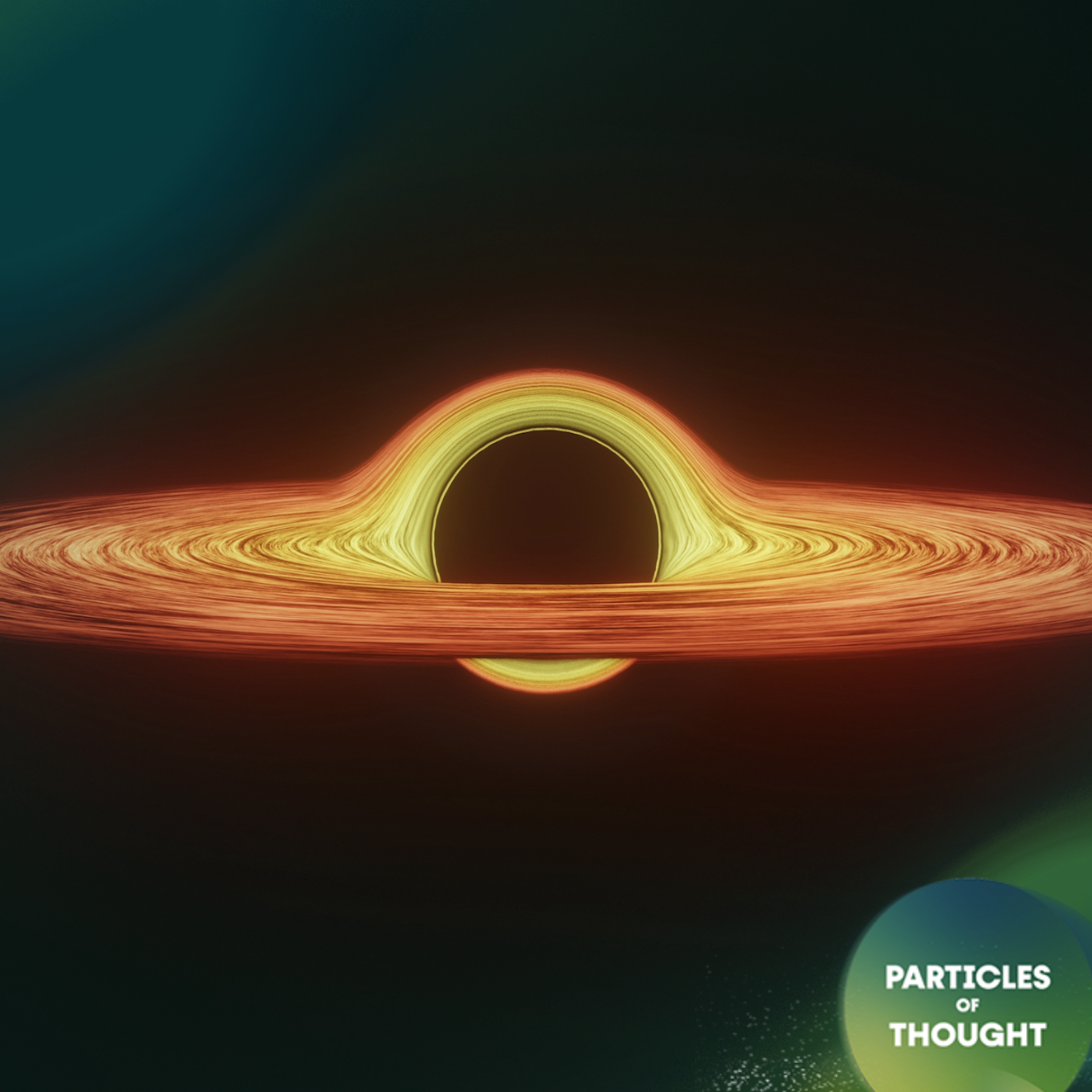
Are Black Holes Dark Matter?
About this episode
David Kaiser thinks tiny black holes from the dawn of time could be the solution to the dark matter puzzle. David joins Hakeem to discuss primordial black holes, tiny objects that may have formed in the first fraction of a second after the Big Bang. First proposed by Stephen Hawking more than 50 years ago, this hypothesis requires no new physics and no new particles, making it one of the most grounded ideas currently on the table… and one that may solve more than one cosmic mystery. David explains what these primordial black holes are, why many in the physics community are returning to this decades-old idea, and how it could potentially solve the dark matter mystery.
Make sure to subscribe now so you never miss an episode. Learn more about NOVA and visit YouTube channel.
Guest Bio:
David Kaiser is a professor of physics and the history of science at MIT. His research spans the history of modern physics, cosmology, and the foundations of quantum theory. He is the author of several books, including How the Hippies Saved Physics, and is a frequent contributor to public conversations about science and its history.
More from NOVA Presents
Hakeem Oluseyi, astrophysicist and host of Particles of Thought, takes the hot seat as NOVA Remix host and Senior Producer Caitlin Saks interviews him about his new book, Why Do We Exist? The Nine Rea…
Hakeem says there was more than one big bang. There were ten. Our host answers the biggest questions about his latest book, Why Do We Exist? Like, how the idea of ‘now’ depends on your relative motion…
Hakeem has hot takes on space. For instance, the moon is a planet. In Hakeem’s new book, Why Do We Exist?, he shares big ideas about the universe. Why do so many stars come in pairs? How likely is ext…
Our host flips the interview and shares his humble beginnings before science superstardom. Hakeem opens up about a childhood moving between some of America's toughest neighborhoods, surviving drugs, a…
Earthquakes can be more powerful than atomic bombs. Luckily, Harvard geophysicist John Shaw has ideas on how to beat them. What really causes earthquakes? How can cities and buildings be engineered to…